



















Software license checklist 2026: SMB compliance guide
Managing Microsoft software licenses correctly protects small businesses from compliance violations and unexpected costs. Many SMB owners and IT professionals struggle with the complexity of subscription models, user assignments, and genuine license verification. This comprehensive checklist addresses the critical aspects of Microsoft license management in 2026, from understanding entitlements to monitoring usage patterns. You will learn how to assign licenses properly, differentiate genuine from pirated software, and maintain ongoing compliance through regular audits. Following this structured approach ensures your organization maximizes software investments while avoiding legal and security risks.
Table of Contents
- Understanding Microsoft 365 License Types And Entitlements
- Assigning And Managing Microsoft Licenses Effectively
- Comparing Genuine Vs. Pirated Microsoft Licenses For Security And Compliance
- Monitoring And Auditing Your Software Licenses: A Continuous Checklist
- Protect Your Business With Secure Microsoft Licenses From Operacinesistema.lt
Key takeaways
| Point | Details |
|---|---|
| License types matter | Microsoft 365 subscriptions include specific apps and services with defined device installation limits per user. |
| Proper assignment prevents waste | Not all mailbox types require licenses, and understanding exceptions saves costs and maintains compliance. |
| Genuine licenses reduce risk | Authentic Microsoft software provides 300% better malware protection compared to pirated versions. |
| Continuous monitoring is essential | Regular audits and usage tracking prevent overuse penalties and identify underutilized licenses. |
Understanding Microsoft 365 license types and entitlements
Microsoft 365 operates on a subscription model where businesses pay for apps and services on a recurring basis. Each subscription tier grants different entitlements, from basic email and file storage to advanced security and analytics tools. Business Standard includes web versions of Office apps plus Exchange and SharePoint, while Business Premium adds device management and threat protection. Apps for enterprise focuses solely on desktop Office applications without cloud services.
The installation limits are generous but specific. Each licensed user can install Microsoft 365 on five devices of each type: five PCs or Macs, five tablets, and five phones. This flexibility supports modern work environments where employees switch between office desktops, home laptops, and mobile devices throughout the day. Understanding these limits prevents accidental violations when staff members request additional installations.
Choosing the right license type requires analyzing your team’s actual needs. A graphic designer needs the full desktop apps, while a sales representative might function perfectly with web versions and mobile access. Matching licenses to roles prevents overspending on features nobody uses. The benefits of official software extend beyond legal compliance to include seamless updates and integrated security features.
Common Microsoft 365 license types for SMBs:
- Business Basic: Web and mobile apps with 1TB cloud storage
- Business Standard: Desktop apps plus email and collaboration tools
- Business Premium: Everything in Standard plus advanced security and device management
- Apps for business: Desktop Office apps only, no email or cloud services
- Apps for enterprise: Desktop apps with enhanced deployment options
Pro Tip: Create a spreadsheet mapping each employee to their required applications before purchasing licenses. This prevents buying Premium licenses for users who only need Basic features, potentially saving thousands annually.
Tracking which features each subscription includes prevents confusion during renewals and expansions. Business Premium might seem expensive until you calculate the cost of purchasing security tools separately. The secure Microsoft software buying tips guide helps evaluate total cost of ownership beyond the sticker price. License management starts with knowing exactly what you purchased and what rights those purchases grant your organization.
Assigning and managing Microsoft licenses effectively
License assignment triggers automatic resource creation in your Microsoft 365 environment. When you assign a license to someone, the system creates a mailbox if Exchange Online is included and grants SharePoint permissions automatically. This automation simplifies onboarding but requires careful planning to avoid creating unnecessary resources that consume storage and complicate administration.

The exception rules for mailbox licensing save money but require attention. You don’t need licenses for shared mailboxes under 50GB, which covers most departmental inboxes like info@company or support@company. Resource mailboxes for conference rooms and equipment also remain free until storage limits are exceeded. Many administrators waste budget by assigning licenses to these special mailbox types unnecessarily.
Effective license management follows a structured process:
- Audit current user needs before assigning any licenses
- Create user accounts in the admin center with accurate role information
- Assign the minimum license tier that meets each user’s requirements
- Document the assignment with the date and business justification
- Review assignments quarterly to catch departures and role changes
- Remove licenses from inactive accounts within 24 hours of employee departure
Personnel changes create the biggest licensing challenges. An employee leaves but their license remains assigned for months, wasting subscription costs. A contractor gets upgraded to Premium when they only needed Apps for business. Implementing a systematic review process catches these inefficiencies before they accumulate. The Microsoft OS security checklist includes license hygiene as a critical security practice since orphaned accounts create vulnerabilities.
Pro Tip: Set calendar reminders for the first business day of each quarter to review all license assignments. Export the user list from the admin center and compare it against your HR system to identify discrepancies immediately.
Shared mailboxes deserve special attention in your management process. A sales team might share sales@company to manage inquiries collectively. This mailbox handles thousands of messages monthly but stays under 50GB through regular cleanup. Assigning a license here wastes money since the mailbox functions perfectly without one. However, if the team starts using it for long term project storage and crosses the 50GB threshold, you must assign a license to maintain access. Monitor storage usage on all shared resources monthly to catch this transition before it causes problems.
Comparing genuine vs. pirated Microsoft licenses for security and compliance
The security gap between genuine and pirated licenses has widened dramatically. Software safety features reduce malware risk by 300% when using authentic licenses compared to pirated versions. Genuine software receives automatic security patches that close vulnerabilities within hours of discovery. Pirated versions lack this protection, leaving systems exposed to ransomware, data theft, and botnet recruitment.
| Feature | Genuine License | Pirated License |
|---|---|---|
| Security updates | Automatic, immediate | None or delayed |
| Malware risk | Minimal with 300% better protection | High, often pre-infected |
| Legal compliance | Full compliance | Violation of copyright law |
| Technical support | Official Microsoft support | No legitimate support |
| Software stability | Tested, validated releases | Unstable, modified code |
| Cost predictability | Clear subscription pricing | Hidden costs from breaches |
Compliance consequences extend beyond fines to include business disruption and reputation damage. Software audits can occur randomly or following competitor complaints. Discovering pirated licenses triggers penalties that often exceed the cost of genuine software by ten times. The importance of software legitimacy becomes clear when calculating the total risk exposure rather than just the license price.
Genuine licenses provide integration benefits impossible with pirated software. Cloud services, mobile device management, and collaboration tools require authentication through legitimate license servers. A pirated Windows installation might boot successfully but cannot access OneDrive, Microsoft Teams, or enterprise security features. For businesses relying on remote work and cloud collaboration, this limitation eliminates productivity gains that justify the software investment.
Critical risks of pirated Microsoft software:
- Pre-installed malware and backdoors in cracked installers
- Inability to receive critical security patches
- Legal liability for copyright infringement
- Loss of business data from unstable or compromised systems
- Blocked access to cloud services and collaboration tools
- Damage to professional reputation if discovered by clients
The financial calculation strongly favors genuine licenses when accounting for total cost of ownership. A pirated Windows license might save $200 initially but creates exposure to ransomware attacks averaging $50,000 in recovery costs for small businesses. Legal penalties add another layer of financial risk that genuine licenses eliminate completely. The software safety features genuine Microsoft licenses provide represent insurance against catastrophic losses far exceeding the subscription cost.
Monitoring and auditing your software licenses: a continuous checklist
Proactive monitoring prevents both overspending on unused licenses and compliance violations from exceeding limits. The Microsoft 365 admin center provides real time visibility into license assignments, showing which users have which products and when licenses were last activated. Checking this dashboard weekly catches assignment errors before they become expensive problems. Third party tools add automated alerts when usage patterns suggest waste or risk.
Internal audits should occur quarterly at minimum, with monthly reviews for rapidly growing organizations. Export your license assignment report and compare it against your current employee roster. Look for licenses assigned to departed employees, contractors who completed projects months ago, or test accounts that should have been temporary. Each orphaned license represents wasted budget that could fund growth initiatives instead.
Essential license monitoring practices:
- Review admin center license reports every Monday morning
- Compare license assignments to HR records monthly
- Track software installation counts against license limits
- Monitor shared mailbox storage to catch 50GB threshold crossings
- Document all license purchases with vendor, date, and product keys
- Maintain a central spreadsheet linking users to assigned licenses
Subscription renewals require advance planning to avoid service interruptions. Set reminders 60 days before each renewal date to review whether you need the same number of licenses or if business changes warrant adjustments. A company that grew from 20 to 30 employees needs additional licenses, while one that downsized might reduce subscriptions. Missing renewal deadlines can suspend services and lock users out of critical business data.
Pro Tip: Create a shared calendar specifically for license renewals and audits. Invite your finance team and IT staff so multiple people receive reminders. This redundancy prevents renewals from falling through the cracks during vacations or busy periods.
The tracking process must capture both subscription licenses and perpetual licenses if your organization uses both models. Perpetual licenses for Windows or Office 2021 don’t expire but still require documentation for compliance audits. Record the product key, purchase date, vendor, and assigned device for each perpetual license. The Microsoft licensing risks compliance guide explains how poor documentation creates audit failures even when you own sufficient licenses.
Automated tools reduce manual tracking burden significantly. Microsoft’s built in license assignment reports export to Excel for analysis. Third party license management platforms connect to your admin center and flag anomalies automatically. These tools pay for themselves quickly by identifying waste and preventing compliance penalties. The Microsoft OS security checklist includes license monitoring as a foundational security control since unauthorized software installations create attack vectors.
Protect your business with secure Microsoft licenses from operacinesistema.lt
Securing genuine Microsoft licenses from trusted vendors eliminates the risks discussed throughout this checklist. Small businesses need reliable sources for authentic Windows and Office licenses that provide immediate delivery, proper documentation, and ongoing support. Operacinesistema.lt specializes in secure Microsoft OS licenses for SMBs, offering both digital keys and physical USB versions with instant email delivery and comprehensive purchase protection.
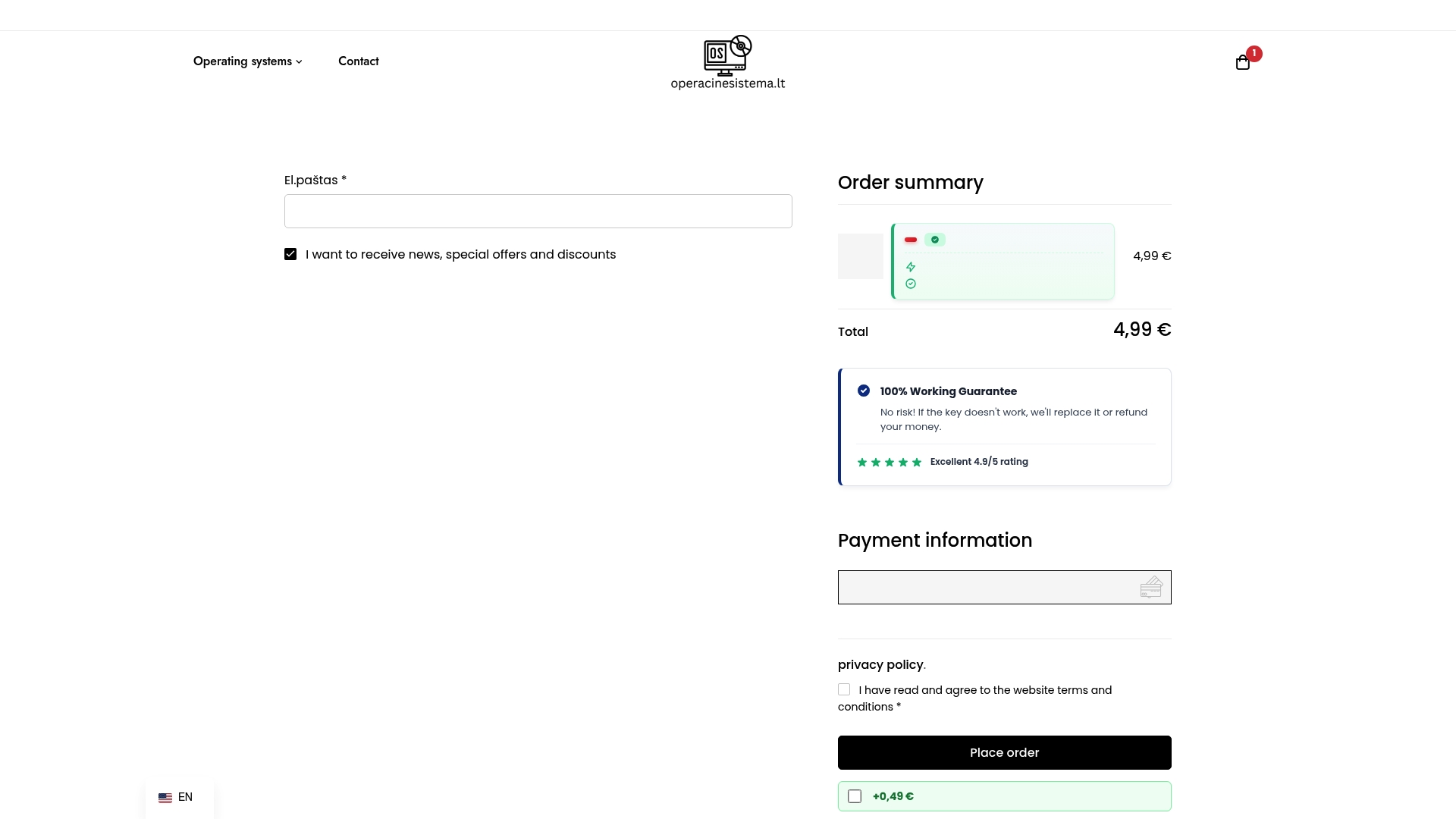
The platform provides validation tools so you can verify license authenticity before deployment, following secure Microsoft software buying tips that protect against counterfeit products. Whether you need Windows 10 Pro for legacy hardware or Windows 11 Pro for new deployments, genuine licenses from established resellers ensure compliance and access to critical security updates. Take advantage of the validate Windows licence key tool to confirm authenticity and protect your business from licensing risks.
FAQ
What is the maximum number of devices I can install Microsoft 365 on per user?
Each person can install Microsoft 365 on up to five devices of each type: five PCs or Macs, five tablets, and five phones. This limit applies only to subscriptions that include eligible products like Business Standard or Business Premium. The generous allocation supports modern work patterns where employees use multiple devices throughout their day.
Do I need to assign licenses to shared or resource mailboxes?
Shared mailboxes, resource mailboxes, and room mailboxes typically don’t require license assignment and function perfectly without them. The exception occurs when storage exceeds the 50GB quota, at which point you must assign a license to maintain access. Monitor storage usage monthly on these special mailbox types to catch threshold crossings before they cause service interruptions.
How can small businesses track and audit license usage effectively?
Use the Microsoft 365 admin center for real time license assignment tracking and export reports for quarterly audits. Third party license management tools add automated alerts and usage analytics that catch waste and compliance risks early. Schedule regular reviews comparing license assignments to your HR roster, and maintain detailed records of all purchases, assignments, and renewals. The Microsoft licensing risks compliance guide provides step by step audit procedures.
What are the risks of using pirated Microsoft software licenses?
Pirated licenses dramatically increase malware infection risk, expose your business to legal penalties for copyright infringement, and block access to critical security updates. They lack official support channels and often contain pre-installed backdoors that compromise business data. The importance of software legitimacy extends beyond compliance to fundamental security and operational stability that pirated software cannot provide.