Official vs Unofficial Software: Legal and Security Impact
Choosing between official software and unofficial alternatives can be a real crossroads for tech-focused small business owners. With digital assets on the line, understanding these distinctions protects your investment and helps avoid costly mistakes. Official software from recognized developers typically brings trusted support and legal peace of mind, while unofficial tools may expose companies to security risks and compliance headaches. This guide clarifies these key differences, helping you safeguard your business and meet global legal requirements.
Índice
- Defining Official Vs Unofficial Software
- Types Of Software Licenses Explained
- Legal Requirements For Software Use
- Security Risks Of Unofficial Software
- Financial And Compliance Consequences
Principales conclusiones
| Point | Details |
|---|---|
| Understanding Software Types | Distinguish between official and unofficial software to maintain legal compliance and security. |
| Importance of Licensing | Review software licensing terms to avoid financial and operational risks from non-compliance. |
| Legal and Security Risks | Unofficial software can expose businesses to compliance violations and cybersecurity threats. |
| Proactive Compliance Management | Regular audits and consulting with legal experts are essential for mitigating potential risks. |
Defining official vs unofficial software
Understanding the distinction between official y unofficial software is crucial for small business owners navigating the complex digital landscape. Official software represents digital products developed, distributed, and maintained by recognized manufacturers or authorized entities with clear legal and technical documentation.
In academic and professional contexts, the differences become even more pronounced. Software identification challenges highlight key distinctions between sanctioned and unsanctioned digital tools. Official software typically demonstrates several core characteristics:
- Verifiable origin from original developer
- Clear version tracking and update mechanisms
- Complete documentation and support channels
- Legitimate licensing and distribution rights
- Regular security patches and maintenance
Unofficial software, by contrast, often emerges through alternative distribution channels and might lack critical infrastructural support. These digital products can range from modified open-source versions to unauthorized redistributions that do not comply with original manufacturer guidelines.

Here’s a comparison of official and unofficial software business impacts:
| Aspect | Official Software | Unofficial Software |
|---|---|---|
| Legal Compliance | High assurance | Risk of violations |
| Security Reliability | Regular patches | Frequent vulnerabilities |
| Support Availability | Accessible support | Limited or no support |
| Business Reputation | Trusted by clients | May harm trust |
Unofficial software presents significant risks to organizational digital infrastructure and potential legal complications.
Verification methods play a critical role in distinguishing between official and unofficial software. Research perspectives on software definition underscore the importance of examining provenance, documentation, and accessibility.
Business owners should implement rigorous assessment protocols to evaluate software authenticity, including:
- Checking official developer websites
- Verifying digital signatures
- Confirming licensing documentation
- Reviewing update and support mechanisms
Consejo profesional: Always download software directly from authorized sources to minimize security risks and ensure full legal compliance.
Types of software licenses explained
Software licensing represents a complex landscape of legal agreements that define how digital products can be used, distributed, and modified. Types of software licenses vary widely, each with unique implications for businesses and individual users seeking to leverage digital tools effectively.
The primary categories of software licenses include:
- Perpetual licenses: Provide permanent usage rights after a single purchase
- Subscription licenses: Require ongoing periodic payments for continued access
- Per-user licenses: Limit software usage to a specific number of individual accounts
- Site licenses: Enable organization-wide software deployment
- Named user licenses: Restrict software access to predetermined individuals
Research software licensing frameworks further categorize licenses based on their permissions and restrictions. Open-source licensing models particularly demonstrate fascinating variations in usage rights:
- Permissive licenses (MIT, Apache)
- Protective licenses (GNU GPL)
- Hybrid licensing models
Software licenses are legally binding contracts that define the boundaries of digital product usage.
The legal complexities surrounding software licensing demand careful consideration. Business owners must scrutinize licensing agreements to understand restrictions, permitted uses, and potential liability implications. Some licenses restrict commercial usage, while others provide more flexible deployment options.
Consejo profesional: Always consult legal professionals when interpreting complex software licensing agreements to avoid potential compliance issues.
Legal requirements for software use
Navigating the complex landscape of software legal requirements demands careful attention to multiple regulatory frameworks. Government software licensing regulations highlight the critical importance of understanding legal obligations surrounding digital tools and platforms.
Key legal considerations for software use encompass several critical domains:
- Compliance standards: Adherence to industry-specific regulations
- Data protection: Protecting user and organizational information
- Licensing agreements: Understanding permitted usage rights
- Cybersecurity protocols: Implementing required security measures
- Intellectual property rights: Respecting software creator permissions
AI legal frameworks demonstrate the evolving complexity of software legal requirements. Organizations must remain vigilant about emerging regulations that impact digital tool deployment and usage.
Legal non-compliance can result in significant financial penalties and potential operational restrictions.
The primary legal obligations for software use typically involve:
- Verifying software licensing terms
- Maintaining appropriate usage documentation
- Implementing required security protocols
- Conducting regular compliance audits
- Protecting intellectual property rights
Businesses must develop comprehensive strategies to manage legal risks associated with software deployment. This includes thoroughly reviewing licensing agreements, understanding usage restrictions, and maintaining accurate records of software acquisitions and implementations.
Consejo profesional: Consult with legal professionals specializing in technology law to develop a robust software compliance strategy tailored to your organizational needs.
Security risks of unofficial software
Unofficial software represents a significant cybersecurity threat that can compromise entire organizational networks and sensitive digital infrastructure. Cyber threats from unvetted software highlight the critical risks associated with using non-authorized digital tools.
The primary security vulnerabilities of unofficial software include:
- Malware infiltration: Hidden malicious code embedded in software
- Data breach potential: Uncontrolled access points for cybercriminals
- Unpatched security vulnerabilities: Lack of regular security updates
- Compromised system integrity: Potential for unauthorized system modifications
- Intellectual property risks: Potential exposure of sensitive organizational data
Open source software supply chain risks demonstrate the complex landscape of software security challenges. Organizations must implement rigorous screening processes to mitigate potential threats.
Unofficial software can create invisible backdoors that compromise entire digital ecosystems.
The most critical security risks for businesses involve:
- Unverified software source code
- Lack of vendor accountability
- Potential for embedded tracking mechanisms
- Absence of official security certifications
- Vulnerability to state-sponsored cyber espionage
Small businesses face particularly high risks when utilizing unofficial software. Without proper verification, organizations expose themselves to potentially catastrophic security breaches that could result in financial loss, reputational damage, and legal complications.
Consejo profesional: Implement a comprehensive software verification protocol that requires official documentation and security certifications before any digital tool is integrated into your organizational systems.
Financial and compliance consequences
Navigating the complex landscape of software compliance requires a comprehensive understanding of potential financial risks and regulatory implications. Risks of unsupported software reveal significant potential for devastating economic consequences.
The primary financial risks associated with non-compliant software usage include:
- Regulatory fines: Substantial monetary penalties for non-compliance
- Legal expenses: Potential litigation and legal defense costs
- Operational disruptions: Unexpected system failures and productivity loss
- Reputation damage: Potential loss of client trust and business opportunities
- Cybersecurity breach costs: Expenses related to data recovery and system restoration
Research compliance requirements demonstrate the increasingly stringent landscape of software usage regulations. Organizations must develop robust strategies to mitigate potential financial vulnerabilities.
Non-compliance can result in penalties that far exceed the cost of proper software licensing.
The most significant financial consequences typically manifest through:
- Direct regulatory penalties
- Potential legal settlements
- Lost business opportunities
- Forensic investigation expenses
- Mandatory system upgrades and replacements
Small businesses are particularly vulnerable to these financial risks. The cumulative impact of non-compliance can quickly escalate, potentially threatening the entire organizational financial stability. Proactive compliance management becomes not just a best practice, but a critical survival strategy.
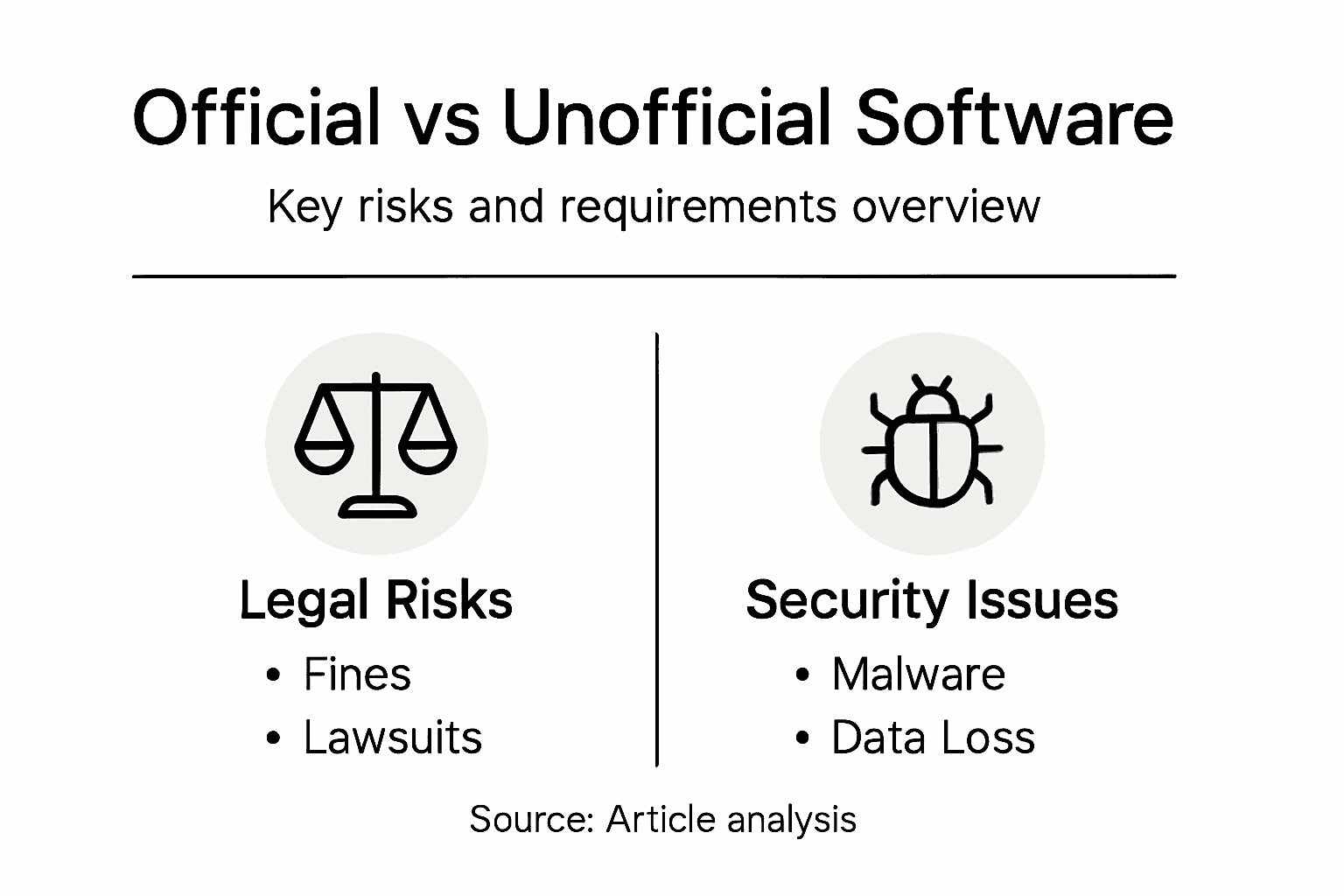
This summary highlights the consequences of software non-compliance for small businesses:
| Consequence | Short-Term Impact | Long-Term Impact |
|---|---|---|
| Regulatory Fines | Immediate financial strain | Ongoing financial liability |
| System Disruption | Productivity loss | Damage to business growth |
| Legal Action | Legal expenses | Possible license revocation |
| Reputation Damage | Loss of client confidence | Reduced market opportunities |
Consejo profesional: Conduct quarterly software compliance audits and allocate a dedicated budget for maintaining proper licensing and security standards.
Secure Your Business with Official Microsoft Software Today
Choosing official software is crucial to avoid the serious legal and security risks highlighted in the article. Using unauthorized software can expose your business to malware, costly fines, and damaged reputation. If you want trusted digital licenses verified by original developers with guaranteed support and updates, it is time to switch to genuine products.
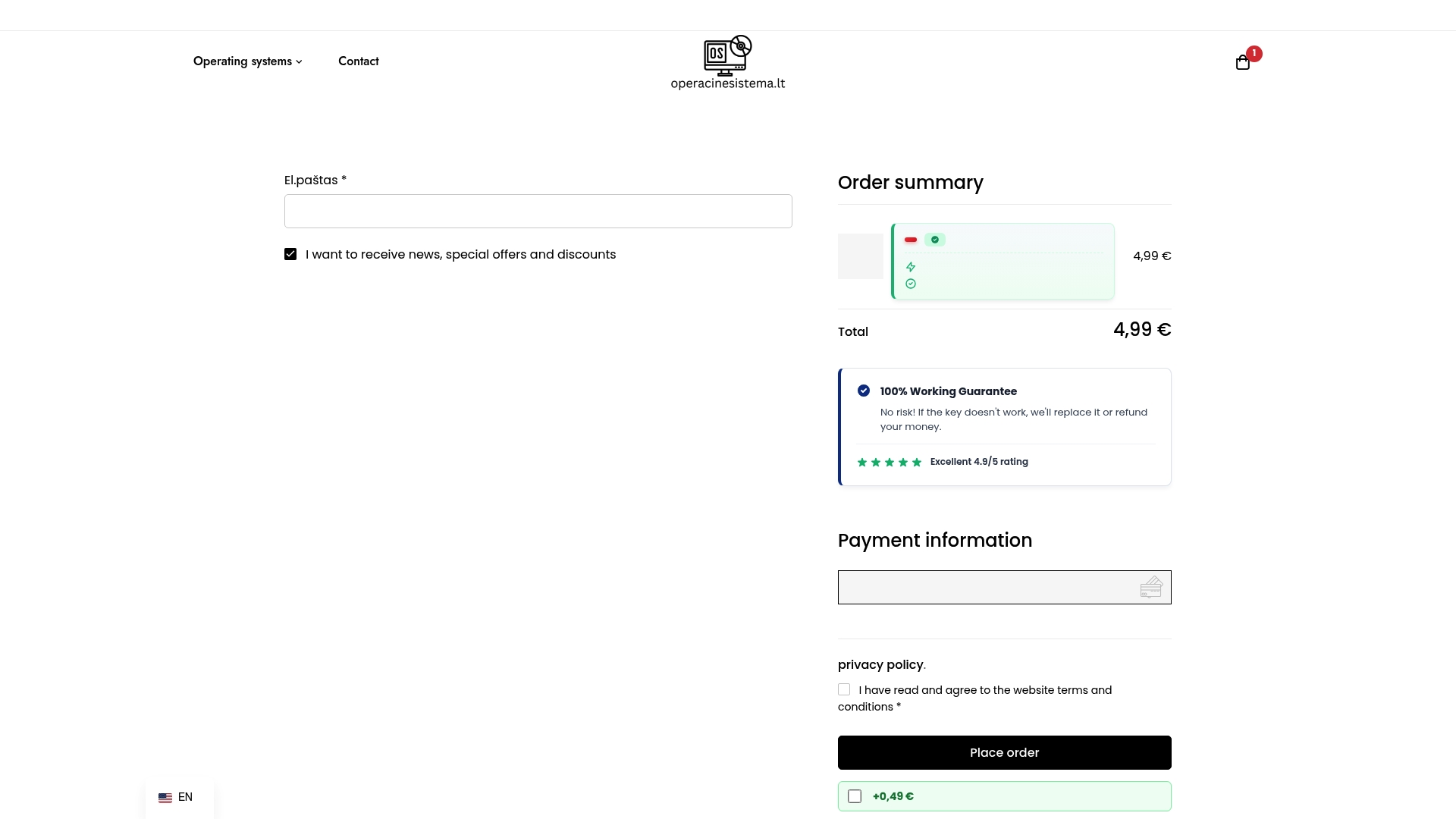
Take control of your software compliance and security now by purchasing authentic Windows 10 or Windows 11 Pro licenses from our trusted platform. Our services ensure fast delivery of digital keys and physical USB versions, complete with refund support if unopened. Avoid the financial and operational dangers of unofficial software and enjoy peace of mind with every license.
Start upgrading your software safety by visiting our checkout page. Discover how easy it is to protect your business with genuine Microsoft operating system licenses by browsing our official license offerings today.
Preguntas frecuentes
What is the difference between official and unofficial software?
Official software is developed and maintained by recognized manufacturers or authorized entities, featuring clear documentation, licensing, and support. In contrast, unofficial software may come from alternative sources and often lacks crucial support and security features.
What are the security risks associated with using unofficial software?
Unofficial software poses significant security threats, including malware infiltration, unpatched vulnerabilities, potential data breaches, and compromised system integrity due to unknown modifications or hidden malicious code.
How can I verify if software is official?
To verify software authenticity, check the official developer’s website, confirm digital signatures, review licensing documentation, and look for available update and support mechanisms.
What are the potential financial consequences of using non-compliant software?
Using non-compliant software can lead to significant financial risks, including regulatory fines, legal expenses, operational disruptions, damage to reputation, and costs related to cybersecurity breaches.
Recomendado
- Genuine Windows 10/11 Pro licence: How to tell the real from the fake and choose the best USB version – operacinesistema.lt
- Ventajas del software con licencia: seguro, legal y fiable
- Top 5 Best OS Licensing Solutions 2026 for Budget-Conscious Users
- Ventajas del software con licencia: seguro, legal y fiable