Understand the impact of unlicensed software in 2026
Many individuals and small businesses assume unlicensed software is a harmless cost-saving measure. This misconception exposes them to severe legal penalties, devastating cybersecurity breaches, and operational chaos. You deserve to understand how unlicensed software can trigger civil lawsuits, criminal prosecution, financial ruin, and system failures. This guide reveals the full spectrum of risks and provides actionable strategies to protect yourself through legitimate software licensing.
Table of Contents
- Legal Consequences Of Using Unlicensed Software
- Cybersecurity Risks Linked To Unlicensed Software
- Operational Instability And Financial Penalties Caused By Unlicensed Software
- Avoiding Risks: Securing Licensed Software And Compliance Tips
- Get Genuine Software And Peace Of Mind With Operacinesistema.lt
- Frequently Asked Questions
Key takeaways
| Point | Details |
|---|---|
| Legal exposure | Civil lawsuits and criminal prosecution result in fines, injunctions, and imprisonment. |
| Security vulnerabilities | Companies using unlicensed software face 30% more malware infections, exposing data and systems. |
| Financial penalties | Small businesses pay $28,000 in fines plus forced purchases and consultant fees. |
| Operational instability | Crashes and lost productivity delay projects and damage files. |
| Audit triggers | Former employee reports can trigger audits, detecting violations years later. |
Legal consequences of using unlicensed software
Using unlicensed software violates copyright law and licensing agreements, opening you to immediate legal action. Software publishers actively monitor markets and pursue violators through sophisticated tracking systems. You might think small-scale use flies under the radar, but even single installations can trigger enforcement.
Civil lawsuits impose damages, injunctions, and legal costs that quickly spiral beyond control. Publishers can force you to pay settlements, stop using their software immediately, and cover their attorney fees. These cases rarely favor defendants because licensing violations are straightforward to prove.
Criminal prosecution brings records, imprisonment, and fines in severe cases. While imprisonment is less common, criminal records permanently damage business reputations and personal backgrounds. Prosecutors pursue these cases when violations are extensive or involve commercial distribution.
Financial penalties reach thousands per unlicensed program, and mandatory replacement costs compound the damage. Courts calculate damages based on the number of unauthorized installations, duration of use, and revenue impact. A single audit can uncover dozens of violations across multiple workstations.
Software audits can emerge from unexpected sources:
- Whistleblowers reporting violations to publishers
- Former employees sharing installation records
- Automated detection systems scanning network activity
- Competitor tips during business disputes
- Random compliance checks by software alliances
“Software companies maintain dedicated enforcement teams that investigate tips, monitor online marketplaces, and conduct surprise audits. Their detection capabilities have advanced significantly, making violations increasingly difficult to hide.”
Understanding the distinction between official vs unofficial software helps you recognize legitimate products and avoid legal traps. Publishers invest heavily in enforcement because software piracy directly impacts their revenue and market position.
Cybersecurity risks linked to unlicensed software
Pirated software frequently bundles malware, spyware, or hidden backdoors that compromise your entire digital ecosystem. Crackers modify legitimate software to bypass licensing checks, creating perfect opportunities to inject malicious code. You download what appears to be a functioning program but receive a trojan horse instead.
Unlicensed software contains hidden threats leading to data theft and ransomware, turning your computer into an attack vector. Malware can remain dormant for months, silently collecting passwords, financial data, and business secrets. When ransomware activates, it encrypts everything and demands payment for recovery.
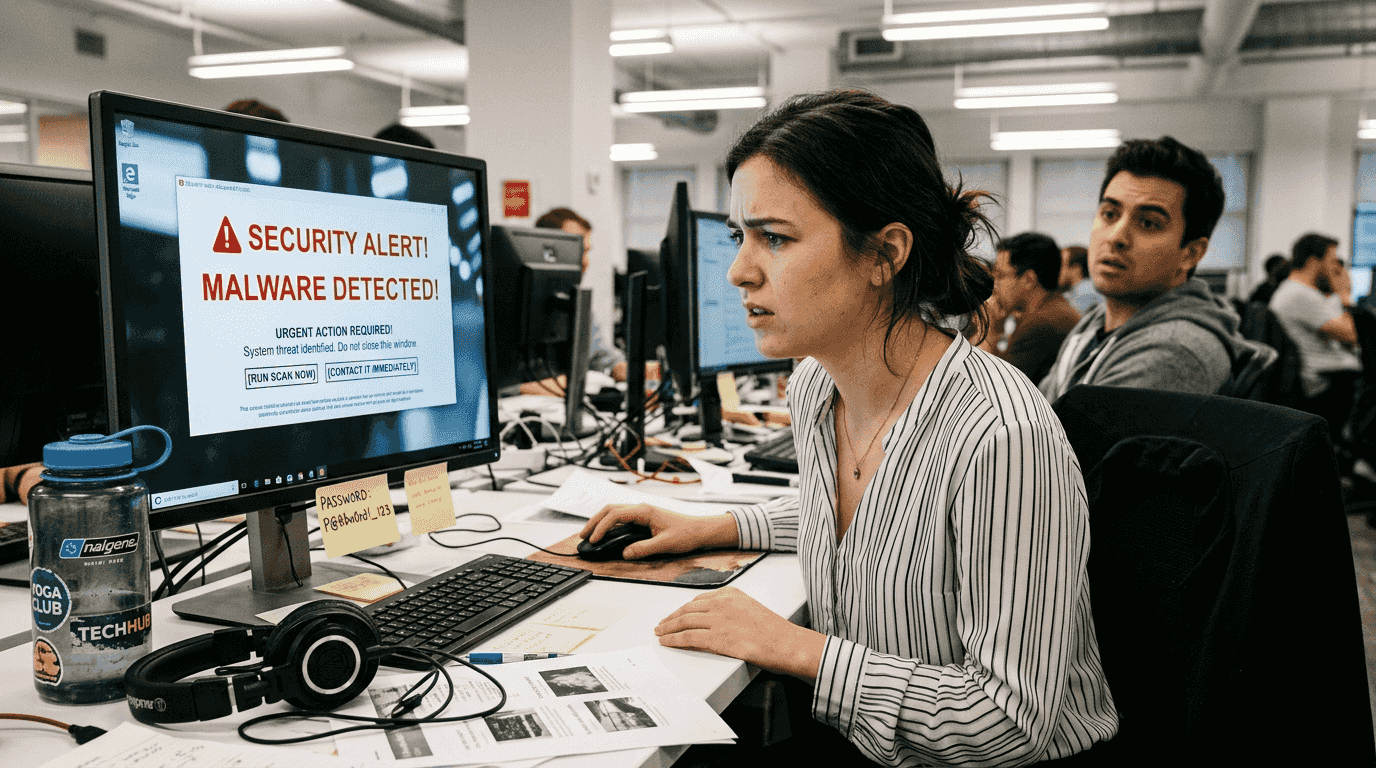
Lack of official security patches increases vulnerability exponentially. Licensed software receives regular updates addressing newly discovered threats and zero-day exploits. Unlicensed versions never receive these critical protections, leaving known vulnerabilities permanently exposed.
Malware infections are 30% more common among unlicensed software users, representing a massive security disadvantage. This statistic reflects the combined impact of bundled malware and missing security updates. Your attack surface expands dramatically when running compromised software.
Cracked software disables security features and updates, creating permanent vulnerabilities to exploits. Crackers must bypass authentication and update mechanisms, which means removing the very systems that protect you. You essentially operate with deliberately weakened defenses.
Hidden long-term security costs include:
- Data breach response and notification expenses
- Ransomware recovery and downtime losses
- Identity theft mitigation for exposed customers
- Regulatory fines for compromised protected data
- Reputation damage and customer trust erosion
Pro Tip: Understanding why software legitimacy matters provides deeper insight into security architecture. Licensed software maintains verified chains of trust that pirated versions permanently break.
The reality is sobering: secure software purchases reduce malware risk by 300 percent compared to pirated alternatives. This dramatic difference reflects both the absence of bundled malware and the presence of continuous security updates. Your cybersecurity posture fundamentally depends on software legitimacy.
Operational instability and financial penalties caused by unlicensed software
Pirated software is inherently unstable because modifications introduce unpredictable behavior and compatibility issues. Crackers alter code to bypass licensing checks, often breaking core functionality in the process. You experience crashes, freezes, and corrupted files that legitimate software never produces.
System instability results in lost files, delayed projects, and decreased productivity, creating hidden operational costs. Employees waste hours troubleshooting issues that shouldn’t exist. Projects miss deadlines because software fails at critical moments. Data loss from crashes can destroy weeks of work.
Financial penalties extend far beyond initial fines. Consider this breakdown from a real small business audit:
| Penalty Category | Amount | Description |
|---|---|---|
| Software fines | $28,000 | Penalties for unlicensed installations |
| Forced purchases | $12,000 | Required license acquisitions |
| Consultant fees | $7,000 | Audit management and compliance |
| Total cost | $47,000 | Complete financial impact |
This $47,000 total demonstrates typical costs small businesses face during software audits. The initial savings from pirated software pale compared to these penalties. The business spent $47,000 to resolve violations that legitimate licenses would have cost perhaps $5,000.
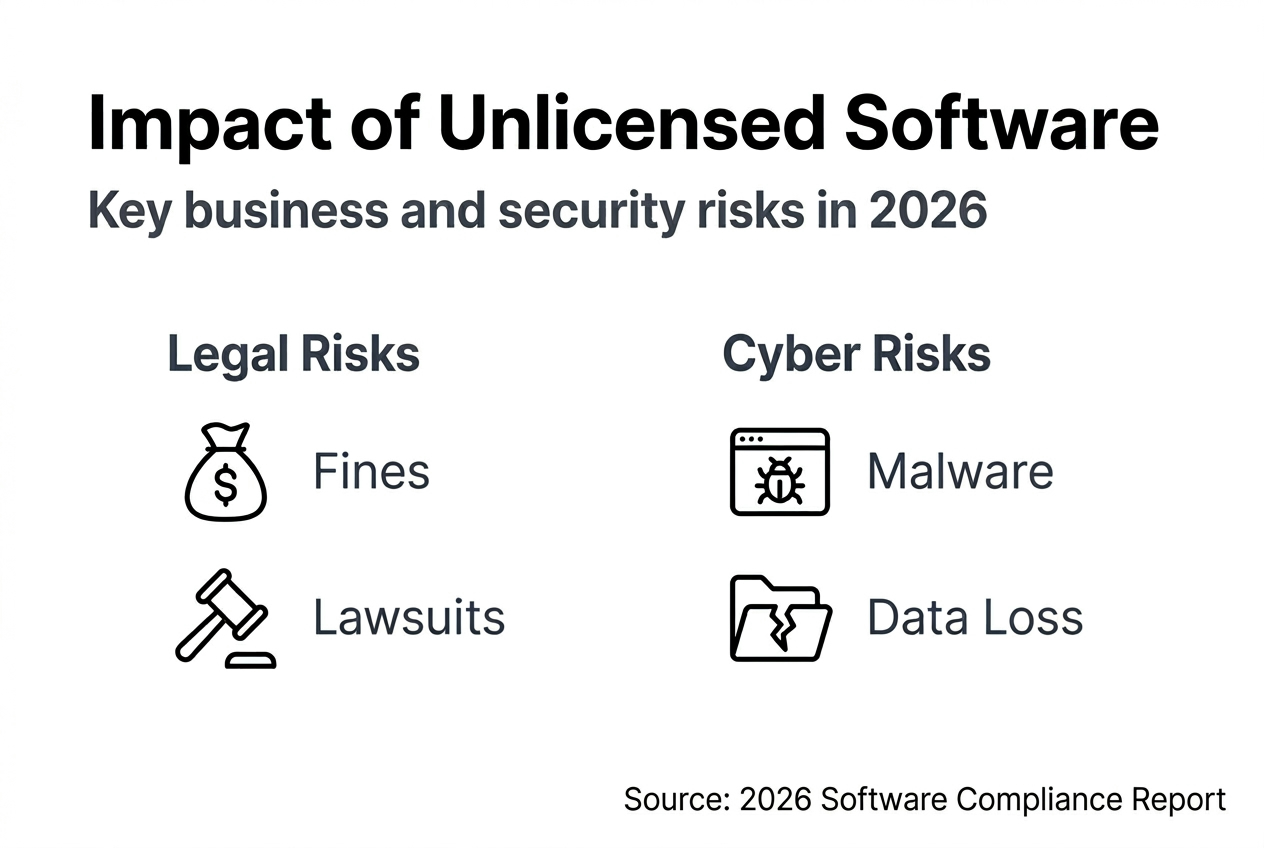
Penalties apply even for unlicensed software on former employee computers, extending liability beyond current operations. When employees depart, their workstations often remain in storage with unlicensed software still installed. Audits count every installation regardless of current use, creating unexpected exposure.
Employee departures frequently trigger enforcement actions:
- Disgruntled former employees report violations to publishers
- Publishers initiate formal audit requests within weeks
- Businesses must provide complete software inventories
- Auditors identify every unlicensed installation across all systems
- Publishers calculate penalties and demand immediate payment
- Businesses face forced license purchases plus fines and legal costs
Pro Tip: Learning about Microsoft licensing risks through compliance guides helps you understand audit procedures and prepare proper documentation before enforcement actions begin.
The financial and operational impacts compound over time, making early correction essential. System instability reduces productivity daily while audit risks grow with each unlicensed installation. Addressing these issues proactively costs far less than reactive compliance after detection.
Avoiding risks: securing licensed software and compliance tips
Always purchase and use properly licensed software from authorized vendors. This fundamental step eliminates legal exposure, ensures security updates, and guarantees operational stability. Legitimate software costs less than a single enforcement action and provides exponentially better value.
Keep accurate records and documentation of all software licenses, including purchase receipts, license keys, and activation confirmations. Organize these documents in a centralized system accessible during audits. Complete documentation proves compliance instantly and prevents disputes.
Regularly audit software usage internally to ensure ongoing compliance. Schedule quarterly reviews comparing installed software against license inventories. Identify and remove any unlicensed installations immediately. Internal audits catch problems before publishers discover them.
Use trusted vendors and avoid unauthorized resellers or cracked software sources completely. Authorized vendors guarantee genuine licenses backed by publisher support. Questionable sources offer low prices but deliver malware and legal liability instead.
Consider IT service partners to manage licenses and security proactively. Managed service providers handle license tracking and compliance, removing this burden from your plate. They monitor usage, manage renewals, and maintain documentation systematically.
Stay informed about legal obligations and audit triggers to prevent surprises:
- Understand licensing terms for each software product
- Track employee workstation installations during transitions
- Monitor for unusual licensing inquiries or requests
- Maintain relationships with authorized software vendors
- Document all software purchases with verified receipts
- Implement policies prohibiting unlicensed software use
Resources for securing Microsoft OS licenses provide specific guidance for small businesses navigating licensing complexities. These guides explain license types, purchasing procedures, and compliance requirements clearly.
Additional tips for secure Microsoft software buying cover vendor verification, price evaluation, and scam detection. Understanding these concepts protects you from counterfeit licenses and fraudulent sellers.
Exploring benefits of licensed software beyond compliance reveals productivity gains, security improvements, and support access. Licensed software delivers comprehensive value that pirated versions can never match.
Get genuine software and peace of mind with operacinesistema.lt
Protecting your business from unlicensed software risks requires a trusted source for genuine Microsoft licenses. Operacinesistema.lt specializes in providing legitimate Windows 10 and Windows 11 Pro licenses designed specifically for small businesses navigating compliance challenges in 2026.
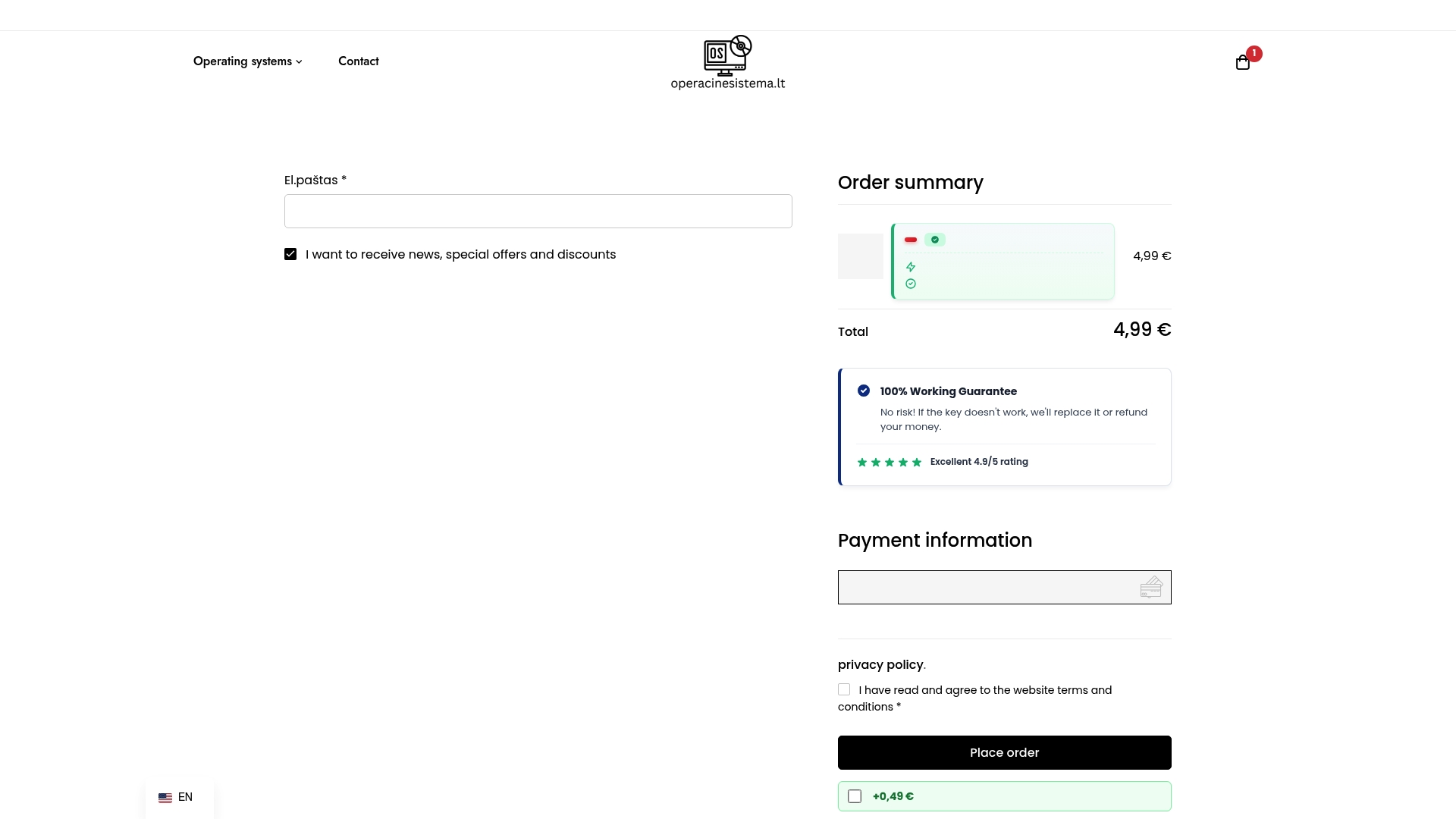
Secure purchasing through authorized vendors helps you avoid the legal, security, and financial disasters outlined above. We offer instant email delivery of digital licenses and comprehensive support ensuring your software installations remain compliant and protected.
Expert guidance through resources like our secure Microsoft OS license guide simplifies software acquisition. You receive clear explanations of license types, purchasing procedures, and compliance requirements without confusing jargon.
Our secure buying tips help you verify vendor legitimacy and recognize genuine products. Understanding benefits of licensed software reinforces why investing in legitimate licenses protects your operations comprehensively.
Frequently asked questions
Is it illegal to use unlicensed software for personal or business use?
Using unlicensed software without authorization carries significant legal risks including civil and criminal penalties. Both individuals and businesses face potential lawsuits, fines, and prosecution regardless of use scale. Copyright law applies equally to personal and commercial contexts.
What financial risks can small businesses face from using unlicensed software?
Financial penalties include heavy fines, costly license purchases, and audit management fees. Small businesses have faced fines upwards of $28,000 plus forced purchases and consultant fees due to unlicensed software. Total costs regularly reach tens of thousands of dollars, far exceeding legitimate software prices.
How does unlicensed software affect my computer’s security?
Unlicensed software often contains malware and lacks security updates, increasing risk of cyberattacks and data theft. Pirated versions include hidden spyware and backdoors that compromise your entire system. The absence of official patches leaves vulnerabilities permanently exposed to exploitation.
What practical steps can I take to ensure my software is licensed and secure?
Purchase software from authorized vendors only and keep detailed license documentation. Proper license management, buying from trusted sources, and regular software audits help maintain compliance. Consider partnering with IT professionals for systematic license tracking. Review Microsoft software buying tips for vendor verification guidance.