Jak znaleźć i użyć klucza produktu dla systemu Windows 11
So, you’re trying to get Windows 11 up and running, or maybe you’ve just reinstalled it, and now you’re staring at a screen asking for a product key. It happens. Finding that little code can feel like a treasure hunt, especially since there are a few different ways it might be stored or given to you. This article is here to help you figure out exactly where your product key for Windows 11 might be hiding and how to use it.
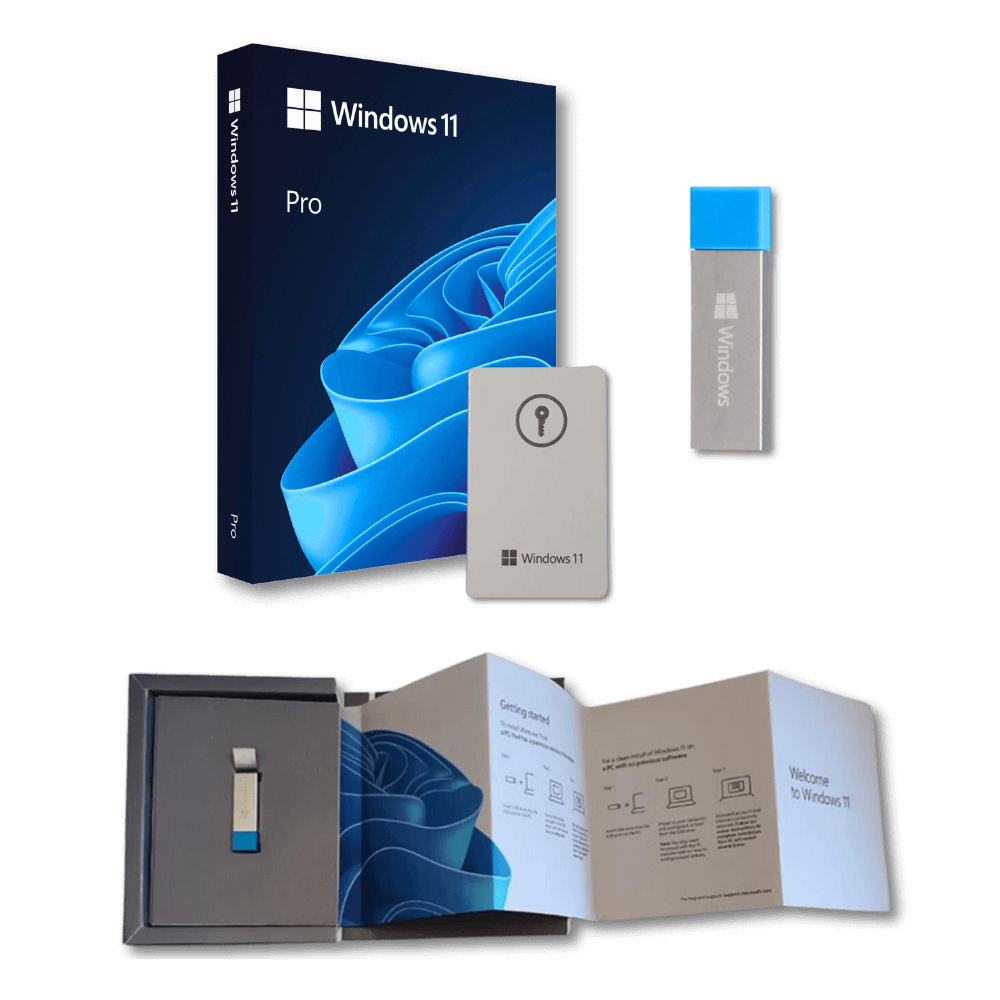
Windows 11 Pro
Official Lifetime License • Instant Email Delivery
Kluczowe wnioski
- A product key for Windows 11 is a 25-character code needed to activate your operating system.
- The location of your product key depends on how you acquired Windows 11 – it could be on a new PC, in retail packaging, or in a digital confirmation email.
- You can often find your product key using Command Prompt, PowerShell, or by checking the Windows Registry.
- For PCs with Windows pre-installed, the key is usually embedded in the motherboard’s firmware and Windows activates automatically.
- In many cases, especially with free upgrades or digital purchases linked to a Microsoft account, you might use a digital license instead of a product key for activation.
Understanding Your Windows 11 Product Key
So, you’re trying to get Windows 11 up and running, or maybe you’re just curious about what that string of characters actually does. Let’s break down the Windows 11 product key.
What is a Windows 11 Product Key?
Think of a product key as a unique code, kind of like a serial number for your software. It’s a 25-character alphanumeric code, usually presented in a “XXXXX-XXXXX-XXXXX-XXXXX-XXXXX” format. This key is what proves you have a legitimate copy of Windows. When you install Windows or activate it, this key is checked against Microsoft’s servers to confirm your license. Without a valid key or another form of activation, Windows will eventually stop working properly, limiting some features.
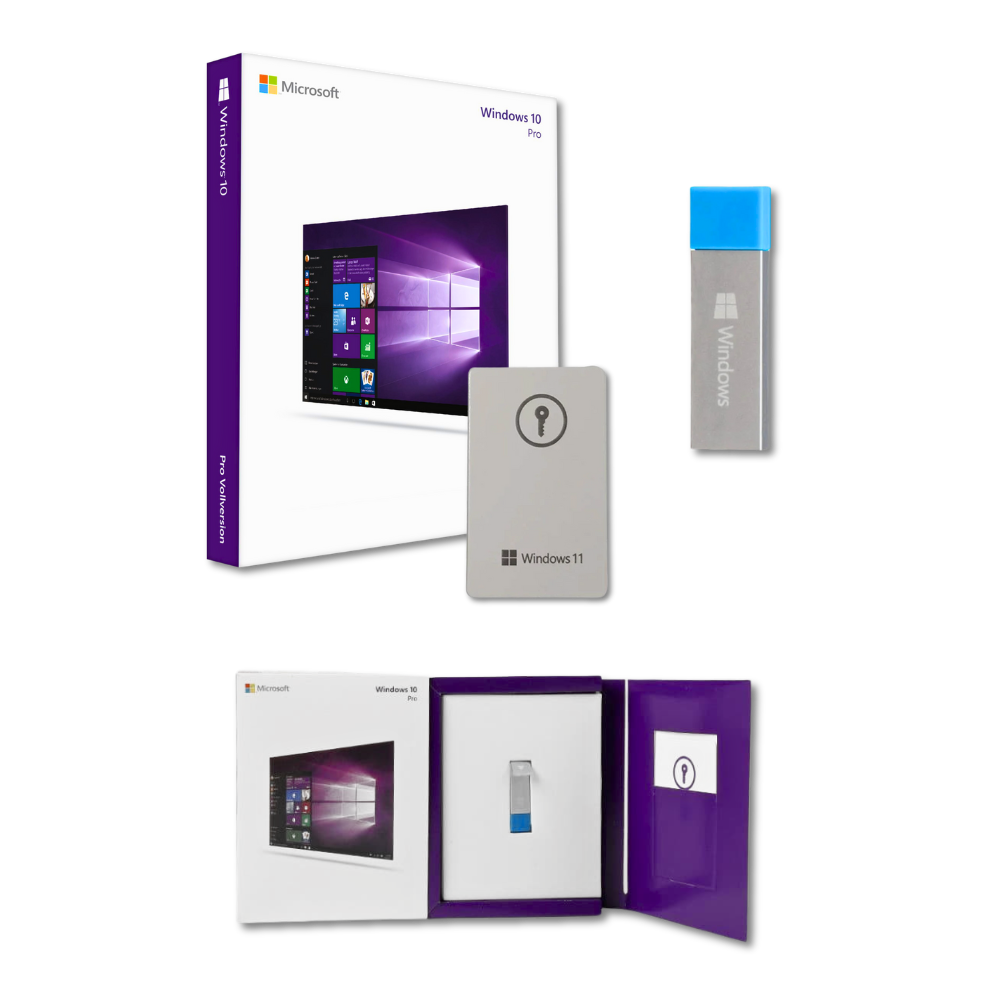
Windows 11 Pro Key
Retail Version • No SubscriptionProduct Key vs. Digital License
This is where things can get a little confusing, but it’s important to know the difference. For a long time, the product key was the main way to activate Windows. You’d get it on a sticker, in an email, or on a card in the box.
Nowadays, especially with Windows 10 and 11, Microsoft also uses digital licenses. A digital license is basically a record linked to your computer’s hardware and sometimes your Microsoft account. If you upgraded from an older genuine version of Windows (like Windows 7 or 8) to Windows 10 or 11 for free, or if your PC came with Windows pre-installed, you likely have a digital license. This means you might not even need to enter a product key when you reinstall Windows on that same hardware; it should activate automatically once you connect to the internet.
Here’s a quick rundown:
- Product Key: A 25-character code you enter manually.
- Digital License: An electronic entitlement linked to your hardware and/or Microsoft account, often activating automatically.
Why You Need Your Product Key
Even with digital licenses becoming more common, the product key still plays a role. You’ll definitely need it if:
- You’re doing a clean install of Windows and don’t have a digital license already linked to your hardware.
- You purchased a retail copy of Windows and need to activate it.
- You’re transferring a retail license to a new computer (though this has specific rules).
- You need to troubleshoot activation issues and Microsoft support asks for it.
Essentially, it’s your proof of purchase and the key to unlocking the full functionality of your Windows operating system. Keeping track of it, especially if you have a physical copy, is a good idea. For many newer PCs, the key is embedded in the hardware, which is convenient but can make it harder to find if you need it for some reason.
Locating Your Product Key for Windows 11
Alright, so you need to find that Windows 11 product key. It can feel like a treasure hunt sometimes, but don’t worry, it’s usually not too hard. Where you look really depends on how you got your copy of Windows in the first place. The key is a 25-character code that looks something like XXXXX-XXXXX-XXXXX-XXXXX-XXXXX.
Windows 11 Professional
Product Key on a New PC
If your Windows 11 computer came straight from the manufacturer, the product key is often already embedded in the system’s hardware, specifically in the firmware. Sometimes, it might be printed on a sticker on the computer itself, maybe on the case or under the battery if it’s a laptop. It’s also possible it came with the packaging. If you can’t find it, contacting the computer’s manufacturer is your best bet.
Key from Retail Purchase
Did you buy a physical copy of Windows 11 from a store? In that case, the product key is usually on a card or a sticker that’s inside the box. It’s not typically on the DVD or USB itself, but tucked away with the other paperwork. Keep that box safe!
Digital Purchase Confirmation
If you bought Windows 11 online as a digital download, the key is usually sent to you via email. Check the inbox associated with your purchase, including your spam or junk folders, just in case. Sometimes, the retailer will also have a digital locker or account page where you can log in to find your purchase details, including the product key. It’s a good idea to save this confirmation email or note down the key somewhere safe.
Remember, if your Windows 11 activated automatically after an upgrade or installation without asking for a key, you likely have a digital license linked to your Microsoft account or hardware, and you might not need a traditional product key for reactivation on the same device.
Methods to Retrieve Your Windows 11 Product Key
So, you need to find that elusive Windows 11 product key, huh? It happens to the best of us. Maybe you’re reinstalling Windows, or perhaps you just want to keep a record of it somewhere safe. Don’t worry, there are a few ways to dig it up without too much fuss.
Windows 11 Professional
Digital License • Instant Delivery
Using Command Prompt or PowerShell
This is a pretty common method, and it often works, especially if your key was embedded in your system’s firmware when you bought the PC. It’s a bit technical, but totally doable.
- Open the Command Prompt or PowerShell as an administrator. You can do this by searching for ‘cmd’ or ‘powershell’ in the Start menu, then right-clicking and selecting ‘Run as administrator’.
- Type the following command and press Enter:
wmic path softwarelicensingservice get OA3xOriginalProductKey - If a key is found, it will be displayed right there. If nothing shows up, don’t panic; it just means this method didn’t find an embedded key.
Checking the Windows Registry
The Windows Registry is like the computer’s brain, holding all sorts of settings. Your product key might be tucked away in there. This method requires a bit more caution because messing with the registry incorrectly can cause problems.
- Prasa
Windows Key + Rto open the Run dialog. - Type
regeditand press Enter to open the Registry Editor. - Navigate to the following path:
HKEY_LOCAL_MACHINE\SOFTWARE\Microsoft\Windows NT\CurrentVersion\SoftwareProtectionPlatform - Look for a value named
BackupProductKeyDefault. Double-click it, and your product key should be displayed.
Be super careful when you’re in the Registry Editor. Only change or delete things if you’re absolutely sure what you’re doing. It’s usually best to just look for the key and then close the editor.
Third-Party Product Key Finder Tools
If the built-in methods feel a bit too complicated or just aren’t working for you, there are tools out there designed specifically to find your product key. These are often the simplest options.
- How they work: These programs scan your system for license information and display your product key. They’re usually pretty straightforward to use.
- What to look for: Search for reputable ‘product key finder’ tools. Many are free, but always download from trusted sources to avoid malware. Some popular ones include NirSoft’s ProduKey or Magical Jelly Bean Keyfinder.
- Important Note: While these tools are convenient, always be mindful of where you download them from. A sketchy download could cause more trouble than it’s worth. If you bought a physical copy of Windows 11, the key is typically on a sticker within the packaging on a sticker on the device or within the packaging.
Using one of these tools can often be the quickest way to get the key you need, especially if you’re in a hurry to get Windows up and running again.
Activating Windows 11 with Your Product Key
Entering the Product Key During Installation
So, you’ve got your shiny new Windows 11 product key ready to go. The easiest time to use it is right when you’re installing Windows 11 from scratch. You know, when it asks you for that 25-character code? It usually pops up pretty early in the setup process. Just type it in carefully – it’s a mix of letters and numbers, like XXXXX-XXXXX-XXXXX-XXXXX-XXXXX. Make sure you get it exactly right, because a typo here means you’ll have to start over. Once you enter it and connect to the internet, Windows should activate itself automatically. It’s pretty straightforward, honestly.
Activating After Installation
What if you skipped the product key part during installation, or maybe you’re activating an already installed copy? No worries, you can still do it. Head over to Settings. You can get there by clicking the Start button and then the gear icon. Once you’re in Settings, look for ‘System’ on the left side, and then scroll down to find ‘Activation’. You should see an option to ‘Change product key’. Click that, and you’ll get a box to type in your 25-character key. Hit ‘Next’, and if the key is valid, Windows will activate. It’s a good idea to do this as soon as possible to get the full Windows experience.
Troubleshooting Activation Issues
Sometimes, things don’t go as planned, and activation can be a bit of a headache. If you get an error message, don’t panic. First, double-check that you typed the product key correctly. Seriously, it’s the most common mistake. Also, make sure your computer is connected to the internet. If you’re trying to activate an upgrade, you might need to use the product key from your previous Windows version, or you might have a digital license instead. If you bought Windows from a third-party seller, make sure the key is legitimate. Sometimes, you might need to contact Microsoft Support directly if the key just won’t work. They can help figure out if there’s a problem with the key itself or your system.
Activation is what tells Microsoft that your copy of Windows is genuine and hasn’t been used on more devices than the license allows. It’s a necessary step to get all the latest updates and features without any restrictions.
When a Product Key Isn’t Required
Digital Licenses and Microsoft Accounts
Sometimes, you don’t actually need a product key at all. If you upgraded to Windows 11 from an earlier version of Windows (like Windows 10, 8.1, or 7) for free, or if you bought Windows 11 through the Microsoft Store app, you likely have what’s called a licencja cyfrowa. This license is tied to your hardware and, more importantly, can be linked to your Microsoft account. Once it’s linked, Windows activation becomes super simple. You just sign in with your Microsoft account after a fresh install, and Windows should activate automatically. It’s like magic, but it’s just good tech.
Free Upgrades and Activation
Remember those free upgrade offers? If you took advantage of one, your copy of Windows 11 is probably activated using a digital license. This means you won’t find a traditional 25-character product key lying around for that specific installation. The activation is handled digitally, linked to the hardware that qualified for the upgrade. So, if you ever need to reinstall Windows 11 on the same machine, just connect to the internet, and it should activate itself without you needing to hunt for a key.
Pre-installed Windows Activation
Got a new computer that came with Windows 11 already installed? Chances are, the product key is already embedded right into the computer’s firmware (often called the UEFI or BIOS). When you first set up your PC, Windows usually finds this embedded key automatically and activates itself once you connect to the internet. You don’t need to do anything; it’s all handled behind the scenes. This is super common for PCs bought from major manufacturers.
It’s a common misconception that you always need a physical product key sticker or a digital code to activate Windows. For many users, especially those with newer PCs or who have upgraded through official channels, activation is a much more hands-off process these days. The system handles it for you, making things a lot less complicated.
Wrapping Up Your Product Key Hunt
So, finding your Windows 11 product key might seem a little tricky at first, but as we’ve seen, there are usually a few ways to track it down. Whether it’s tucked away in your computer’s firmware, in an old email, or you need a little help from a tool, you’ve got options. Don’t stress too much if you can’t find a physical key, especially if your Windows came pre-installed or you upgraded – a digital license often does the job just fine. Just remember where you put it once you find it, or make a note of your digital license details. Happy computing!
Często zadawane pytania
What exactly is a Windows 11 product key?
Think of a Windows 11 product key like a special password. It’s a 25-character code, usually in the format XXXXX-XXXXX-XXXXX-XXXXX-XXXXX. This code proves that you have a real copy of Windows and lets you activate it on your computer.
How is a product key different from a digital license?
A product key is the actual 25-character code. A digital license, on the other hand, is a way Windows 11 can activate without you typing in a code. It’s linked to your computer’s hardware or your Microsoft account, and it’s often used when you upgrade from an older Windows version for free.
Where can I find my product key if I bought a new computer with Windows 11 already on it?
If your computer came with Windows 11, the product key is often already put into the computer’s system by the manufacturer. Sometimes, there’s a sticker on the computer case, or it might be in the box the computer came in. Usually, Windows will activate itself when you connect to the internet, and you won’t even need to look for the key.
I bought Windows 11 online. Where should I look for my product key?
If you bought a digital copy of Windows 11 from a store’s website, check the confirmation email you received. The product key should be in there. If you bought it directly from Microsoft’s website, you can usually find it in your Microsoft account’s order history.
What if I can’t find my product key using Command Prompt or the Registry?
Sometimes, the methods like Command Prompt or checking the Registry don’t show a key, especially if you have a digital license or upgraded for free. In these cases, Windows usually activates automatically with your digital license when you reconnect to the internet after reinstalling. If you’re really stuck, there are tools designed to find product keys, but use them carefully and from trusted sources.
Do I always need a product key to activate Windows 11?
Not always! If your Windows 11 is activated with a digital license, or if you linked it to your Microsoft account, you might not need to enter a product key when you reinstall Windows. It should activate automatically once you’re online. This is common for free upgrades or computers that came with Windows pre-installed.