Mengapa keaslian perangkat lunak penting bagi bisnis kecil 2026
Small businesses often underestimate the financial and legal consequences of using unlicensed Microsoft software. Unlicensed software usage leads to significant financial penalties including retroactive fees and audits that can reach five figures. Many assume free or shared licenses pose minimal risk, but Microsoft actively enforces compliance through regular audits. Understanding software authenticity protects your business from legal trouble, security vulnerabilities, and operational disruptions. This guide clarifies why genuine Microsoft licenses are essential for small businesses and IT professionals, explaining the risks of non-compliance and the tangible benefits of investing in authentic software. You’ll discover how to verify licenses, choose the right licensing model, and maintain compliance to avoid costly surprises.
Daftar Isi
- The Risks Of Using Non-Genuine Software Licenses
- How Genuine Microsoft Licenses Ensure Compliance And Support
- Choosing The Right Licensing Option: Volume Licensing And Activation Methods
- How To Verify And Maintain Authentic Software Licenses
- Secure Your Authentic Microsoft Software With Confidence
- Frequently Asked Questions About Software Authenticity
Hal-hal penting yang dapat diambil
| Titik | Detail |
|---|---|
| Unlicensed software penalties | Businesses face expensive audits and fines reaching tens of thousands of dollars for non-compliance |
| Genuine licenses provide protection | Authentic Microsoft licenses ensure legal compliance, official support access, and guaranteed security updates |
| Volume licensing saves money | Small businesses with multiple licenses can reduce total costs by up to 25% through volume licensing programs |
| Audits target non-compliance | Microsoft reserves the right to audit software usage and demand payment for all unlicensed periods |
| Verification prevents risks | Using official validation tools and maintaining accurate records protects against legal and security threats |
The risks of using non-genuine software licenses
Small businesses operating with unlicensed or counterfeit Microsoft software face severe consequences that extend far beyond initial cost savings. Microsoft actively monitors software usage and reserves the right to audit customers enforcing payment for any unlicensed periods. These audits can uncover years of non-compliance, resulting in retroactive fees that devastate small business budgets.
The financial impact extends beyond immediate fines. Businesses discovered using unlicensed software must pay full retail prices for every installation, often covering multiple years of usage. Legal fees compound these costs when disputes arise. One documented case involved a reseller who received prison time and substantial fines for selling counterfeit licenses, demonstrating that authorities take software piracy seriously.
Security vulnerabilities present equally dangerous risks:
- Non-genuine licenses can cause security vulnerabilities and potential data breaches that expose sensitive customer information
- Counterfeit software often contains malware or backdoors that compromise entire networks
- Unlicensed systems cannot receive critical security patches, leaving businesses exposed to ransomware and cyberattacks
- Data loss from compromised systems can destroy years of business records and client trust
The impact of unlicensed software reaches beyond immediate financial penalties. Businesses lose productivity when systems fail or require emergency remediation. Reputation damage occurs when clients discover your company operates with questionable software practices. Insurance claims may be denied if breaches result from unlicensed software usage.
“Using free or shared Windows licenses in business environments creates legal liability and security risks that far outweigh any perceived cost savings. The question isn’t whether you’ll face consequences, but when.”
Small businesses mistakenly believe they fly under Microsoft’s radar. The reality proves different. Audits frequently target smaller companies because they lack dedicated compliance teams and often have poor license documentation. Former employees who report unlicensed software usage trigger many investigations. Even purchasing from unauthorized resellers can result in invalid licenses that fail activation or get revoked without warning.
How genuine Microsoft licenses ensure compliance and support
Authentic Microsoft licenses provide tangible benefits that protect your business operations and reduce long-term costs. Genuine licenses provide access to technical support and resources vital for troubleshooting and IT infrastructure maintenance. Small IT teams especially benefit from this support, gaining expert assistance without hiring additional staff.

The activation process itself offers security advantages. Windows activation uses product keys injected during manufacturing and automatically activates devices securely. This firmware-based approach prevents tampering and ensures each license remains tied to legitimate hardware. You avoid activation failures that disrupt business operations and waste valuable IT time.
Compliance becomes straightforward with genuine licenses. Microsoft’s licensing terms provide clear usage rights, eliminating ambiguity about how many devices you can activate. Audit preparation simplifies dramatically when you maintain proper documentation of authentic purchases. Your business demonstrates professionalism to clients and partners who increasingly scrutinize vendor compliance practices.
Security updates represent perhaps the most critical benefit:
- Genuine licenses guarantee access to monthly security patches that protect against emerging threats
- Zero-day vulnerability fixes arrive automatically, closing security gaps before attackers exploit them
- Feature updates improve system stability and introduce productivity enhancements
- Compatibility with enterprise security tools requires authentic licensing for full functionality
Operational efficiency improves measurably with authentic software. Genuine software users can reduce downtime by up to 40% thanks to official support. When systems fail, Microsoft’s support teams diagnose issues quickly and provide tested solutions. This responsiveness prevents the extended outages that occur when troubleshooting unlicensed software without vendor assistance.
Pro Tip: Document every license purchase with receipts, product keys, and activation dates in a secure spreadsheet. During audits, this organized record demonstrates compliance immediately and can prevent penalties even if minor discrepancies exist.
Understanding software authenticity basics helps you make informed purchasing decisions. Genuine licenses include verifiable product keys, official documentation, and clear terms of use. Counterfeit versions often lack proper packaging, contain suspiciously low prices, or come from unauthorized sellers who cannot provide legitimate proof of purchase.
The benefits of activating Windows extend to regulatory compliance in industries with strict data protection requirements. Healthcare, finance, and legal sectors face additional penalties for data breaches resulting from unlicensed software. Authentic licenses help satisfy compliance frameworks like HIPAA, GDPR, and SOC 2 by ensuring systems receive mandatory security updates.
Choosing the right licensing option: volume licensing and activation methods
Selecting appropriate licensing models significantly impacts both costs and management efficiency for small businesses. Volume licensing can reduce total cost of ownership by up to 25% for small businesses with 5+ licenses. This approach simplifies license tracking and provides flexibility as your company grows.
Two primary activation methods serve different business needs:
- Key Management Service (KMS) creates a local activation server that automatically activates connected devices on your network
- Multiple Activation Key (MAK) provides a fixed number of activations for devices that may not always connect to your network
- Active Directory-based activation integrates with existing domain infrastructure for seamless deployment
KMS activation offers the most efficient approach for businesses with consistent network connectivity. KMS clients activate automatically by locating a KMS host via DNS SRV records for network ease. This eliminates manual activation steps and reduces IT workload. Your activation server handles renewals transparently, maintaining compliance without ongoing administrator intervention.
MAK activation suits businesses with remote workers or devices that operate offline frequently. Each MAK provides a specific number of activations you manage through Microsoft’s Volume Licensing Service Center. You track remaining activations and request increases when needed. This method works well for field technicians, traveling sales teams, or branch offices with unreliable internet connections.
| Licensing Type | Best For | Key Advantage | Activation Method |
| — | — | — |
| Retail | 1-4 devices, mixed use | Flexibility, transferable | Online or phone |
| OEM | New hardware purchases | Lowest cost per license | Pre-activated |
| Volume (KMS) | 25+ connected devices | Centralized management | Network-based |
| Volume (MAK) | 5-25 or remote devices | Fixed activation count | Internet or phone |
Pro Tip: Start with MAK if you’re unsure about your needs. You can transition to KMS later as your business grows, and MAK provides immediate activation without infrastructure setup.
Choosing between volume licensing and retail depends on several factors. Retail licenses offer maximum flexibility for very small businesses or mixed personal/business use. They transfer between devices and provide perpetual usage rights. However, managing individual retail keys becomes cumbersome beyond five devices.
Volume licensing introduces centralized management tools that track all licenses from a single portal. You generate reports for audits instantly and reassign licenses between devices as needs change. The upfront commitment to multiple licenses yields substantial per-unit savings. Microsoft often bundles volume licenses with Software Assurance, providing free upgrades to newer Windows versions.
Common audit triggers include former employees who retain activated licenses after departure. Proper license management requires deactivating software when staff leave and reassigning those licenses to new hires. Volume licensing simplifies this process through centralized deactivation commands. Following software buying tips 2026 helps you avoid purchasing invalid licenses that create compliance gaps.
Implementing secure Windows activation protects your investment and prevents activation failures. Always activate immediately after installation to identify invalid keys before deploying systems to users. Test activation on a single device before rolling out licenses company-wide. This approach catches counterfeit or previously used keys before they disrupt multiple workstations.
How to verify and maintain authentic software licenses
Verifying software authenticity requires specific tools and processes that confirm license legitimacy beyond simple activation status. OA3Tool validates product keys and MSDM table entries to authenticate OEM licenses accurately. This Microsoft utility reads firmware-embedded keys and confirms they match official records, providing definitive proof of authenticity.
Many businesses mistakenly rely on outdated verification methods. Legacy tools like SLMGR may not reliably report injected OEM keys, requiring updated validation methods. The SLMGR command shows activation status but cannot verify whether keys are genuine or counterfeit. Modern validation requires tools that check digital signatures and manufacturer certificates embedded in system firmware.
Establishing robust license management practices prevents compliance issues:
- Create a centralized license inventory documenting every purchase with dates, vendors, and assigned devices
- Perform quarterly audits comparing your inventory against actually deployed licenses
- Implement a decommissioning process that removes licenses from retired hardware and departing employees
- Use check Windows license validity services to verify keys before deployment
- Store purchase receipts and certificates of authenticity in secure, backed-up locations
Pro Tip: Set calendar reminders to verify licenses every six months using OA3Tool or similar validation utilities. This proactive approach identifies problems before audits occur and demonstrates due diligence if questions arise.
Maintaining accurate license records is crucial to avoid audit penalties and unexpected fees. Microsoft auditors request detailed documentation showing purchase history, deployment dates, and current usage. Businesses unable to produce this information face assumptions of non-compliance and maximum penalty assessments. Your records should include vendor invoices, email confirmations for digital purchases, and photos of physical product packaging.
Validation should occur at multiple points in the license lifecycle. Verify keys immediately upon purchase by activating a test device or using online validation tools. This identifies fraudulent sellers before refund periods expire. Revalidate periodically to catch revoked keys that sellers recycled illegally. Some counterfeit operations use valid keys initially, then reuse them across multiple customers, causing later activation failures.
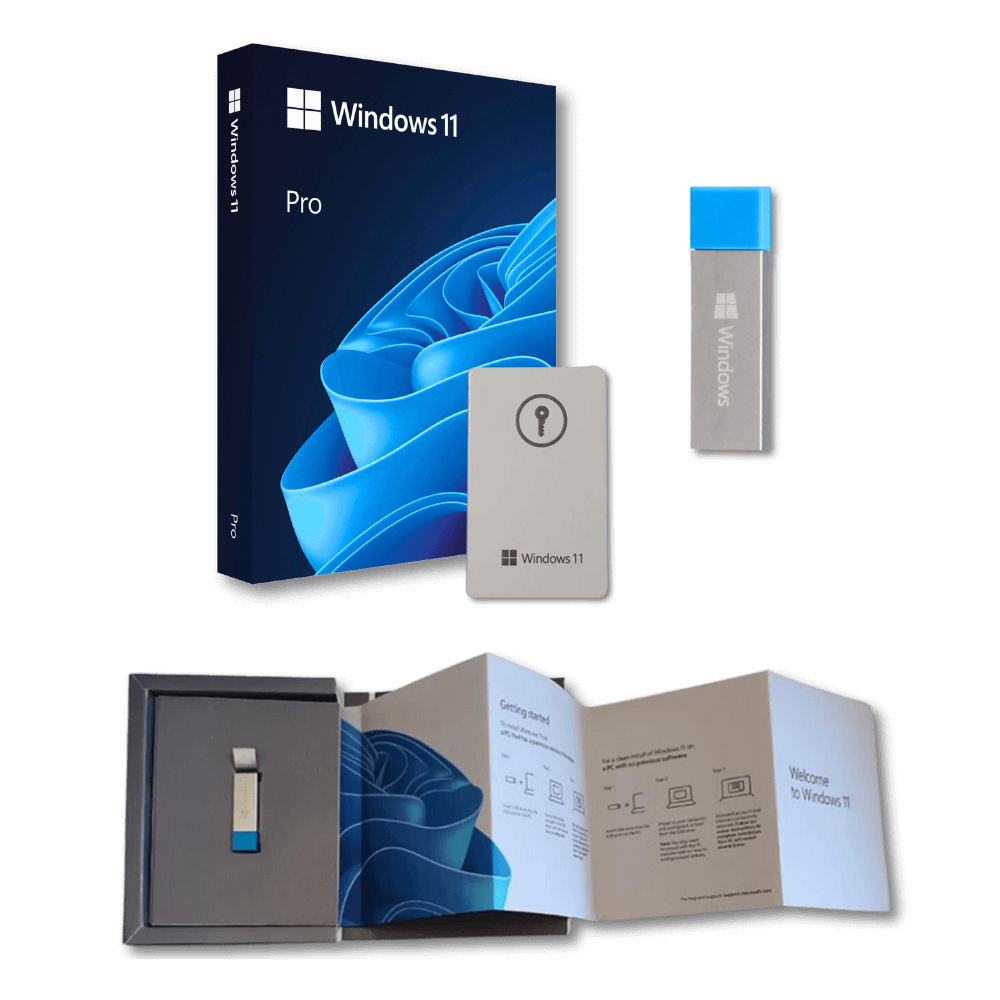
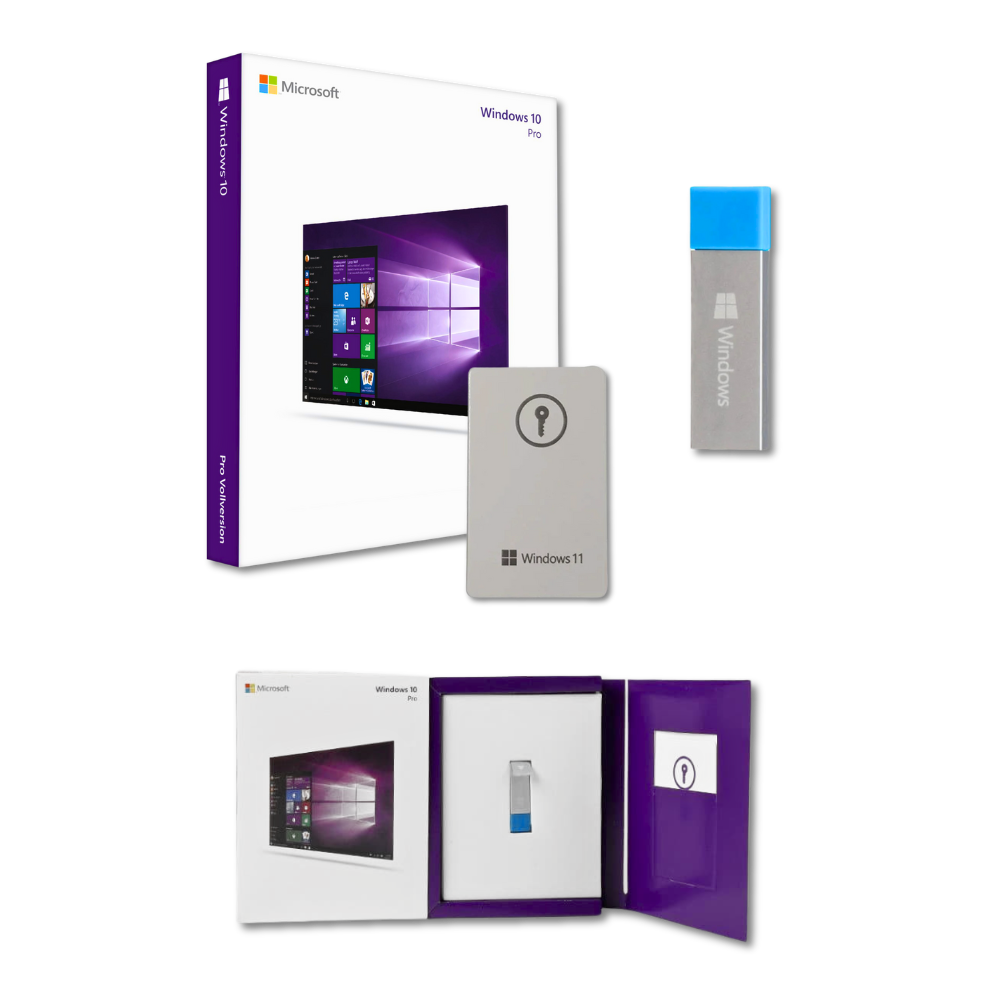
Understanding software safety features helps you recognize authentic products. Genuine Microsoft licenses include holographic labels, certificate of authenticity cards, and tamper-evident packaging. Digital licenses come with official email confirmations from Microsoft or authorized resellers. Suspiciously cheap prices, generic packaging, or sellers unwilling to provide documentation signal potential counterfeits.
Implementing automated monitoring tools strengthens ongoing compliance. Microsoft provides license management utilities that scan networks and report all detected Windows installations. These tools identify unlicensed systems, track license assignments, and generate compliance reports. Integrating them into your IT infrastructure creates continuous compliance verification rather than relying on manual periodic checks.
Secure your authentic Microsoft software with confidence
Protecting your business starts with verifying every license before deployment. Small businesses need reliable partners who understand the complexities of software licensing and provide genuine products with proper documentation. Whether you’re setting up new workstations or ensuring existing systems meet compliance standards, having trusted resources makes the difference between smooth operations and costly disruptions.
Our license key validation service helps you confirm authenticity instantly, giving you peace of mind before activating critical business systems.
Navigating the software marketplace requires knowledge that many small business owners lack time to develop. Our comprehensive Microsoft software buying tips guide you through selecting appropriate licenses, identifying trustworthy vendors, and avoiding common pitfalls that lead to counterfeit purchases. We’ve compiled years of industry experience into practical advice that saves you money and prevents compliance headaches. Additionally, our detailed software license compliance checklist walks you through every step of maintaining proper records and preparing for potential audits, ensuring your business stays protected.
Frequently asked questions about software authenticity
How can I verify if my Windows license is genuine?
Use Microsoft’s OA3Tool to check firmware-embedded keys and validate them against official records. This tool confirms whether your license is authentic by reading manufacturer certificates. You can also verify through our software authenticity explained resource, which provides step-by-step validation instructions.
What happens if Microsoft audits my business and finds unlicensed software?
You’ll face retroactive fees covering all unlicensed usage periods at full retail prices, plus potential legal costs and penalties. Microsoft can demand immediate payment and may pursue legal action for significant violations. Maintaining proper documentation and genuine licenses prevents these costly scenarios entirely.
Can I transfer a Windows license to a new computer?
Retail licenses allow transfers between devices, while OEM licenses remain tied to the original hardware. Volume licenses offer reassignment flexibility through centralized management portals. Always deactivate licenses from old devices before transferring to maintain compliance and avoid activation limits.
Why do some cheap Windows keys stop working after activation?
Counterfeit sellers often reuse the same keys across multiple customers or sell volume license keys illegally. Microsoft detects this fraud and revokes the keys, leaving you with unlicensed software. Purchasing from authorized resellers with proper documentation prevents this problem.
How often should I audit my business software licenses?
Perform quarterly internal audits to verify your license inventory matches deployed software. Annual comprehensive reviews should include validation of all keys and documentation updates. Our secure Windows activation guide provides detailed audit procedures tailored for small businesses.
Do I need different licenses for remote workers versus office computers?
The same license types work for both, but activation methods differ based on network connectivity. Remote workers benefit from MAK activation, while office computers can use KMS for automated network-based activation. Volume licensing accommodates both scenarios efficiently, providing flexibility as your workforce evolves.