Free Windows 11 Product Keys: What's Real?
You search for a free Windows 11 key, and you get 10,000 results that all say the same thing: “Here are 50 keys that work.” Then you try one, Windows rejects it, or it “activates” for a day and flips back to Not Activated. Worst case, you just handed your PC to a sketchy activation tool.
If you're looking up free microsoft product key windows 11, you're not alone. People are tired of paying full retail pricing when they're reinstalling after a crash, building a new PC, or upgrading a work machine. The problem is that “free key” usually means “somebody else's key,” and that's where the risk starts.
This article is the straight answer: what “free” can realistically mean with Windows 11, what's almost always a scam, and what options you have if you want Windows activated without the drama.
What a Windows 11 product key actually does
A Windows 11 product key is a 25-character code used to activate a specific edition of Windows (like Home or Pro). Activation is Microsoft's way of confirming that your licence is valid and not being used beyond what the licence allows.
A key is not the same thing as the Windows installer. You can install Windows 11 without a key. Activation is the part that proves licensing.
Also, Windows activation isn't only “key-based” anymore. On many PCs, Windows activates through a digital licence tied to your Microsoft account, or through firmware information stored in the device (especially on OEM systems). That matters because some “free” paths are really just reusing a legitimate licence you already own.
Why “free Windows 11 keys” are almost always a trap
If a site posts a list of keys and claims they're free for everyone, there are only a few ways those keys could exist:
They're leaked or stolen keys
Keys can be scraped from compromised systems, old emails, reseller portals, or stolen inventory. If Microsoft detects abuse, those keys get blocked. You might activate today and lose activation later.
They're MAK/KMS keys being abused
Volume licensing uses activation methods designed for organisations. A MAK (Multiple Activation Key) has a limited number of activations. A KMS setup requires a legitimate organization-run activation server.
A “free KMS activator” is not a harmless workaround. It's typically a tool that modifies system services, activation components, or networking behaviour. That's exactly the kind of software attackers love, because it trains users to run “one weird trick” executables with admin rights.
They're fake keys used to funnel you into malware
A lot of “key generator” pages are just bait. You click, you download, you disable antivirus “temporarily,” and now the attacker has what they wanted.
They're generic install keys that don't activate
Microsoft publishes generic keys for installation and edition switching. These keys help you install Windows 11 Pro or Home, but they don't provide activation rights. Many “free product key” lists are just reposting those generic codes.
Bottom line: if it's publicly posted and “works for everyone,” it's either not activation, not legal, or not safe.
What “free” can mean (legitimately) with Windows 11
There are a few scenarios where you can activate Windows 11 without paying again. These are the real ones.
1) You already have a digital licence on that PC
If Windows 10 or Windows 11 was already activated on the same machine, you may not need any key at all.
When you reinstall Windows 11, Microsoft often reactivates automatically as soon as you connect to the internet. That's because activation can be tied to the hardware ID and/or your Microsoft account.
What to do:
If you're reinstalling on the same PC, install the same edition you had activated before (Home vs Pro matters). During setup, click “I don't have a product key,” finish installation, connect to the internet, and then check activation.
To check: Settings > System > Activation.
If it says Windows is activated with a digital license, you're done. That's “free,” and it's legitimate.
Common mistake
People reinstall Windows 11 Home on a PC that previously had Windows 11 Pro (or the other way around). The license won't match, and activation won't happen.
2) Your key is stored in the BIOS/UEFI (OEM devices)
Many brand-name PCs ship with Windows preinstalled and the licence embedded in firmware. If your laptop came with Windows, there's a good chance your “key” is already inside the machine.
In that case, reinstalling Windows 11 usually pulls the edition automatically and activates once online.
This is also why some “free key” searches happen after a hard drive failure. People think they lost the key, but the PC may still have it in firmware.
3) You have a Windows 10 licence that can still activate Windows 11
Microsoft has allowed many Windows 10 licences to activate Windows 11 on the same device. In practice, if you had a valid Windows 10 licence (Home or Pro), Windows 11 activation often works.
This isn't a guarantee for every licensing scenario, and Microsoft can change policy over time. But for regular users upgrading a PC that already had Windows 10 activated, it's one of the most common “free” outcomes.
If your Windows 10 was activated on that PC, Windows 11 may activate after the upgrade or reinstall.
4) You can run Windows 11 without activation (with limitations)
This is the uncomfortable truth: Windows 11 installs and runs even if you never activate it.
Microsoft allows installation without a key. You'll see activation reminders and some personalisation features are restricted (like changing certain themes and appearance settings). Depending on updates and policy changes, there may be additional limitations, but for many people the system remains usable.
This can be a short-term solution if you need the PC running today, and you plan to activate later when you've confirmed your edition and hardware.
What it isn't: it's not the same as having a licensed, activated copy. For work machines, business use, or any scenario where you need compliance, you should treat unactivated Windows as temporary.
What to avoid when you see “free microsoft product key windows 11”
If you only remember one section, make it this one.
Avoid “activators,” “loaders,” and “KMS tools”
These tools often require disabling security features. That's a red flag by itself. Even if one tool seems to work today, you're gambling with your device, your files, saved passwords, browser sessions, and payment logins.
Also, these tools can break Windows updates, trigger integrity warnings, and create weird stability issues you'll waste hours troubleshooting.
Avoid keys posted in comments, videos, or paste sites
If it's public, it's being abused. Even if it activates for a moment, you're building your PC setup on something unstable.
Avoid sellers who send “key only” with no proof, no policy, no support
Not all low-priced keys are equal. The difference between a safe purchase and a headache usually comes down to legitimacy signals: clear delivery, clear returns, transparent licence type, and real support.
If the “store” has no business identity, no payment protections, no refund path, and wants crypto only, treat it as a loss waiting to happen.
How to tell if your current Windows 11 can activate for free
If your goal is “don't pay unless I have to,” do this quick check before you buy anything.
Step 1: Confirm your edition
Go to Settings > System > About and look for “Windows specifications.” You'll see Windows 11 Home or Windows 11 Pro.
Edition matters. A Pro key won't activate Home unless you switch editions. Home won't activate Pro.
Step 2: Check activation status
Settings > System > Activation.
You'll typically see one of these:
- Activated with a digital licence
- Activated with a digital licence linked to your Microsoft account
- Not activated
If it's activated already, you don't need a free key. You're done.
Step 3: If not activated, use Activation Troubleshooter
On the Activation page, you may see “Troubleshoot.” If your license is linked to your Microsoft account, signing in can sometimes restore activation after hardware changes.
Step 4: Think about hardware changes
If you changed your motherboard, Windows may treat it as a new PC. That's where people get stuck and start searching for a free key.
Minor changes (RAM, SSD, GPU) usually don't matter. Motherboard changes often do.
Windows 11 Pro vs Home: why the “free key” search often points to Pro
A lot of users install Pro because they need one feature and don't want to pay full price. The big reasons:
Windows 11 Pro includes BitLocker device encryption (important for laptops), Remote Desktop hosting (useful for accessing a work PC), and management features like Group Policy and domain join. Home is fine for many personal PCs, but Pro is common for power users and small business.
The catch: people sometimes install Pro without owning a Pro licence, thinking they'll “find a key later.” That later becomes a frantic search.
If you truly need Pro features for work, it's better to plan activation up front rather than patch it after the fact.
If you must buy a key, here's how to stay safe
This isn't about paying full retail or nothing. It's about avoiding scams and avoiding keys that get blocked.
Know what you're buying: retail, OEM, or volume
Different sellers use different terms, and some get sloppy on purpose.
Retail licences are generally transferable (within Microsoft's rules) and are the cleanest option when you expect to move Windows to a new PC later.
OEM licences are typically meant to live and die with a specific device. They can be perfectly legitimate in the right context, but they're not the same as retail.
Volume licensing (MAK/KMS) is for organisations. If a random site is selling “KMS keys,” that's a compliance problem at best.
You don't need to memorize licensing law, but you should be aware that “cheap” is not a license type. Ask what it is.
Look for basic trust signals
A safe purchase experience usually includes secure checkout, standard card payments, clear fulfillment (instant email delivery for digital keys), and a refund policy you can actually use.
It also includes support that answers real activation questions like edition mismatch, reinstall rules, and hardware changes.
Avoid “too good to be true” plus zero protection
If the seller only takes crypto, has no company details, and the product page looks like it was copied from somewhere else, you're the product.
The most common activation problems (and quick fixes)
People often think they need a free key when the real problem is a simple mismatch.
Problem: You installed Windows 11 Pro but you own Home
Fix: Either install Home, or buy a Pro licence. You can't activate Pro with a Home license.
Problem: You entered a key and got an error
Some errors are caused by typing mistakes. Others happen when:
- The key is for a different edition
- The key has already been used too many times
- Microsoft blocked the key
- Your PC can't reach activation servers (network or firewall issues)
If the key came from a random “free list,” the odds are high it's blocked or overused.
Problem: Windows was activated before, but isn't now
Fix: Use the Activation Troubleshooter, sign into the Microsoft account that previously held the licence, and confirm you're installing the same edition.
If you changed your motherboard, you may need to reassign the licence. Some licenses won't transfer.
“I just need Windows 11 today.” Best low-friction path
If you're in a hurry, the safest route is:
Install Windows 11 from official installation media, skip the key entry during setup, and get the system stable first: drivers installed, updates applied, essential apps loaded. Then address activation once you know which edition you truly need and whether your previous license will reactivate.
That approach avoids the panic-download of an activator, which is the most common way people infect a fresh install.
What we recommend instead of chasing a free key
If you're genuinely eligible for free activation, use the legitimate methods first: digital license reactivation, firmware key, or Windows 10-to-11 activation on the same device.
If you're not eligible, the practical move is buying a legitimate key from a seller that makes trust easy: secure checkout, instant delivery, clear refunds, and support if activation doesn't go smoothly. That's exactly the gap sketchy “free key” pages exploit: they prey on frustration and time pressure.
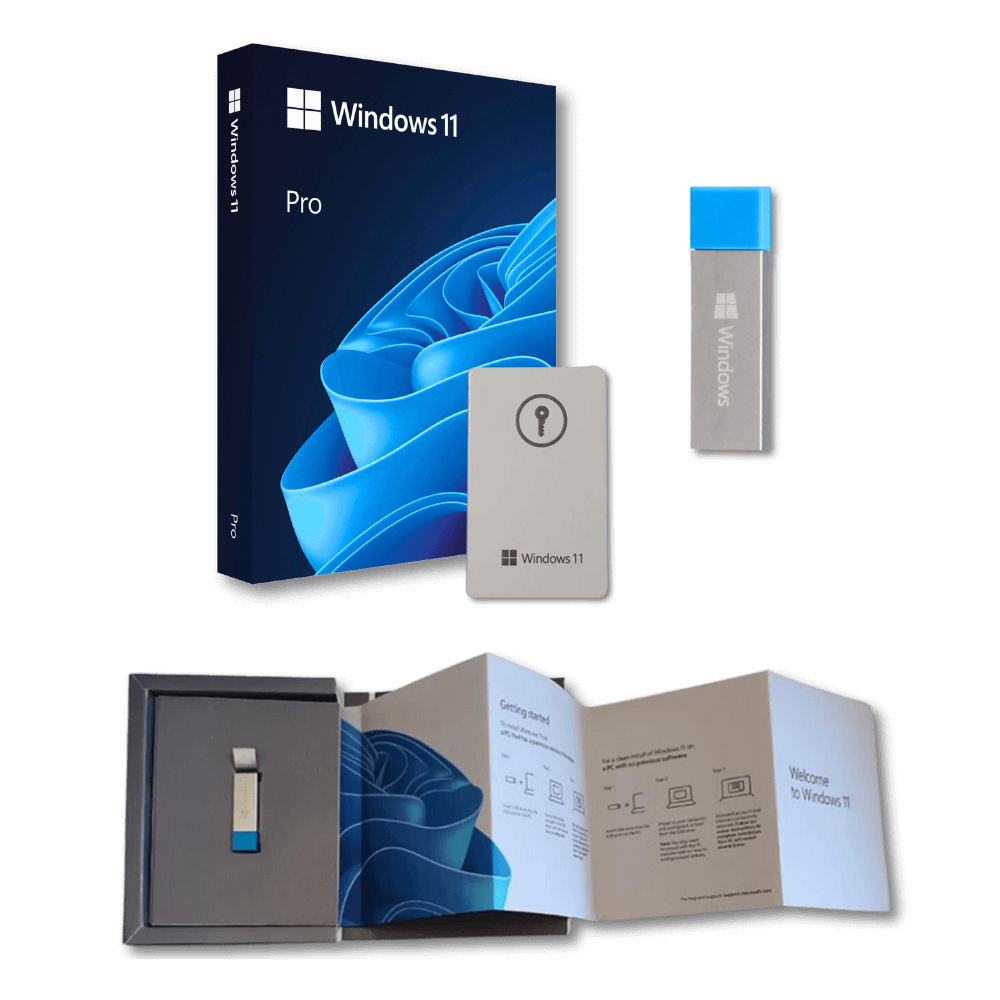
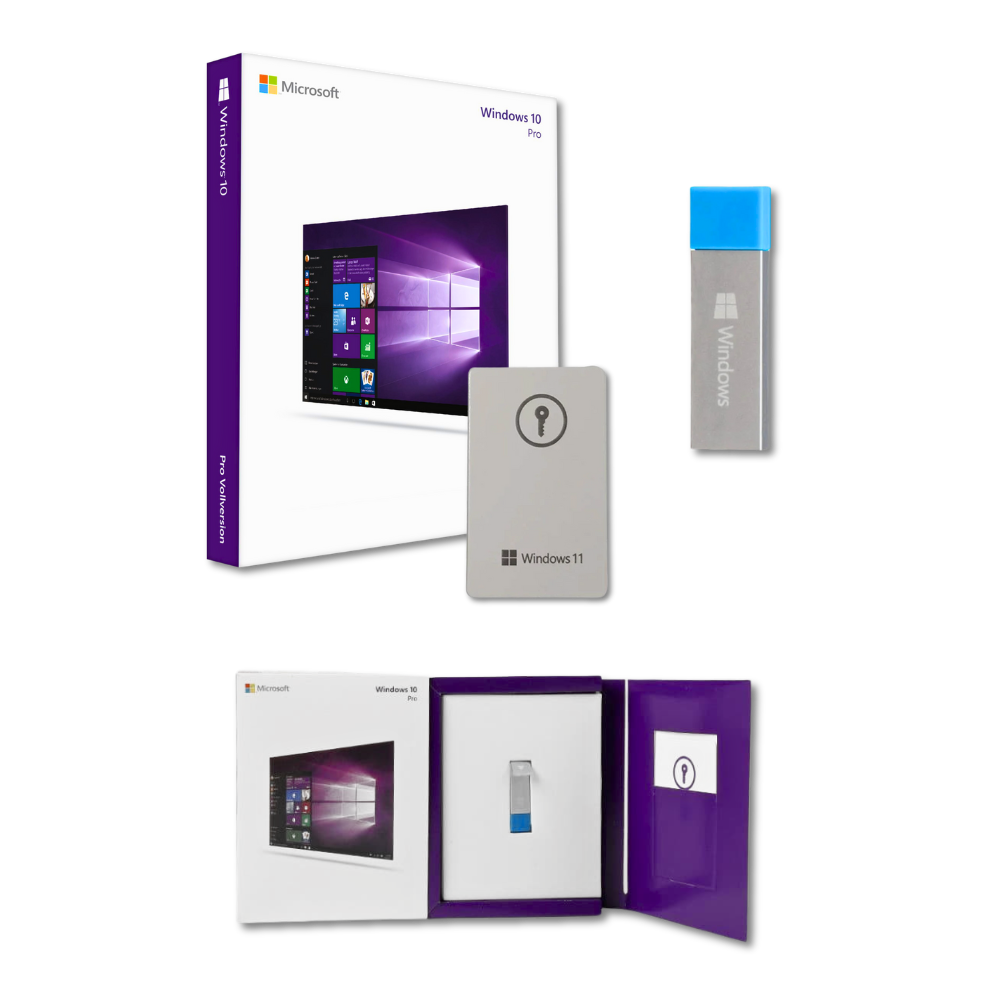
For buyers who want a fast, safety-first alternative to random key lists, operacinesistema.lt sells genuine Windows 11 Pro and Windows 10 Pro licences with instant digital delivery or optional USB, plus secure Stripe-powered checkout and clear guarantees.
FAQ: quick answers people actually need
Can Microsoft detect a leaked or abused key later?
Yes. Activation can be revoked if a key is blocked, overused, or flagged for abuse. That's why a key that “worked yesterday” can fail later.
Is it legal to use a key you found online?
If the key wasn't issued to you (or your organisation) through a legitimate channel, you're taking on legal and compliance risk. For business devices, that risk is not worth it.
Does Windows 11 require activation to get updates?
In many cases, Windows still receives updates when unactivated, but policies can change and some features are restricted. For stable long-term use, activation is the correct endpoint.
Are “generic keys” real?
Yes, but they're not free activation. They're typically used for installation or edition switching. They won't grant you a valid licence.
If I buy a key, do I need to reinstall Windows?
Usually no. You can go to Settings > System > Activation > Change product key and enter it. Reinstalling is typically unnecessary unless you installed the wrong edition.
If you came here hoping for a magic string of characters that makes Windows 11 Pro activate forever for free, that's not how it works in the real world. The good news is you still have options - and the safest option is always the one that doesn't ask you to disable security, run mystery tools, or trust a key that “works for everyone.”