Windows 11 Aktivierung CMD Free Hack? Lesen Sie dies, bevor Sie irgendetwas versuchen
That “Activate Windows” watermark has a way of showing up at the worst time – right after a reinstall, a new motherboard, or a clean Windows 11 upgrade. So people do what they always do: open a browser and search windows 11 activation cmd free.
Here’s the reality: Command Prompt (CMD) is a legitimate tool for checking activation status, troubleshooting licensing issues, and triggering Microsoft’s built-in activation process. What it cannot do, legally, is generate a free Windows 11 Pro license or bypass Microsoft licensing. If a site promises “free activation via CMD” without a real license, it’s almost always pointing you toward piracy, malware, or a key that will eventually stop working.
This guide keeps it practical. You’ll learn what you can actually do with CMD on Windows 11 to activate correctly, what “free” can mean in a legitimate way, and how to fix the common activation failures that push people into sketchy shortcuts.
What “windows 11 activation cmd free” usually means
Most people searching that phrase want one of three things.
First: they installed Windows 11 and want to remove the watermark without paying. Second: they already paid at some point and believe they should not have to pay again – but Windows is not activating after hardware changes or a reinstall. Third: they have a work or school device and think activation should happen automatically, but it didn’t.
CMD can help a lot with the second and third categories. That’s where it’s “free” in the sense that you’re not buying anything new – you’re just using the tools Microsoft already included to get your existing entitlement to activate.
If you’re in the first category and you truly do not have a license, the only legitimate free path is limited: you can run Windows 11 unactivated (with restrictions) or use a valid license you already own, such as a transferable retail key or a digital license tied to your Microsoft account.
The only legitimate “free” activation scenarios
Windows activation feels mysterious because Microsoft uses a few different licensing paths. If you know which one applies to you, you can often activate without buying anything new.
You already have a digital license tied to your Microsoft account
If you previously activated Windows 10/11 on the same PC and signed in with a Microsoft account, you may have a digital license associated with that account. After reinstalling Windows 11, activation can come back automatically once you’re online.
Where CMD helps: you can confirm whether Windows sees a license channel and whether it’s attempting activation.
You have a retail key from a previous purchase
A retail key is typically transferable (one device at a time). If you replaced a drive or reinstalled Windows, you can usually re-enter that key.
Where CMD helps: you can install the key and force activation without clicking through multiple Settings screens.
You’re using an OEM license on the same motherboard
Many branded PCs store an OEM key in firmware (BIOS/UEFI). Windows 11 can read it during installation.
Where CMD helps: you can retrieve the embedded key (if present) and see what Windows is using.
Your organization uses KMS/MAK (business activation)
If this is a work machine, activation might be managed by IT using a KMS server or MAK keys.
Where CMD helps: you can check if the device is configured for KMS, see the activation countdown, and trigger activation once you’re on the company network or VPN.
What CMD cannot do (and why it matters)
If you see instructions telling you to run scripts to “activate forever,” to connect to unknown servers, or to install “KMS tools” from random sources, you’re not using Windows features – you’re installing an activation bypass.
The trade-off is not just ethical. It’s practical and expensive:
Pirated activation methods are a common delivery method for malware, credential theft, remote access trojans, and browser hijackers. They can also break Windows updates, cause repeated deactivation, and create compliance problems if you’re using the PC for work.
If you’re a home user, the pain usually shows up as instability or reactivation loops. If you’re a small business, it can show up as audit risk and downtime. Either way, “free” gets expensive fast.
Use CMD to check your Windows 11 activation status
Before you change anything, check what Windows thinks is happening. Open Command Prompt as Administrator.
Type:
slmgr /xpr
This shows whether the system is permanently activated, activated with an expiration (common in KMS environments), or not activated.
For more detail:
slmgr /dli
That displays a summary, including the license channel (Retail, OEM, Volume). If you need the most verbose output:
slmgr /dlv
This shows partial product key, activation ID, licensing status, remaining rearm count, and KMS details if applicable. It’s the best “single screen” for diagnosing what’s wrong.
What the license channel hints at
If you see OEM_DM or OEM-related indicators, you likely have a firmware-embedded key or an OEM entitlement. If you see RETAIL, you probably activated with a retail key (or a digital license derived from one). If you see VOLUME_KMSCLIENT, your machine is expecting to activate against a KMS server.
This matters because the fix depends on the channel. People waste time trying random “free CMD commands” when the real issue is simply that a KMS client key is installed on a home PC, or the edition doesn’t match the key.
Use CMD to retrieve an embedded OEM key (if your PC has one)
On many prebuilt PCs, the Windows key is stored in UEFI. To read it, run:
wmic path softwarelicensingservice get OA3xOriginalProductKey
If the command returns a 25-character key, you have an embedded key. If it returns nothing, you may not have one, or the device was licensed differently.
Two important notes.
First, that embedded key is typically for the edition the PC shipped with (often Home, sometimes Pro). If you installed Windows 11 Pro but the embedded key is Home, Windows will not activate Pro with that key.
Second, if you replaced the motherboard in a device that relied on OEM activation, that old OEM entitlement often doesn’t transfer. In that case you’re not “missing a free trick.” You’re dealing with a licensing change.
Activate Windows 11 via CMD using a legitimate product key
If you have a valid key, CMD activation is straightforward.
Open Command Prompt as Administrator, then install the key:
slmgr /ipk XXXXX-XXXXX-XXXXX-XXXXX-XXXXX
Then trigger online activation:
slmgr /ato
If the key is valid for your installed edition and Microsoft’s activation service can be reached, the machine should activate.
If it doesn’t, do not keep trying random keys or scripts. Look at the error message, because it usually points to one of a few fixable causes.
The most common CMD activation errors – and the real fixes
Activation errors tend to repeat. The difference between a clean fix and a frustrating hour is knowing what the error actually implies.
Edition mismatch (Home vs Pro)
This is the number one activation problem for people who upgraded hardware or did a clean install.
If you have a Windows 11 Pro key but installed Windows 11 Home (or the opposite), activation will fail. CMD can’t “force” a Pro key onto Home. You need the installed edition to match the key.
How to check edition quickly:
DISM /Online /Get-CurrentEdition
If you need to see what editions you can switch to:
DISM /Online /Get-TargetEditions
A clean edition change without reinstall is sometimes possible, but it depends on your current edition and activation state. In many real-world cases, the fastest path is simply installing the correct edition from the start.
“The product key you entered didn’t work”
This can mean the key is wrong, blocked, already in use elsewhere, or not meant for your edition.
If you are reusing a retail key you own, make sure it’s not still active on another device. If you’re moving it to a new build, you may need to remove it from the old machine first.
You can also check whether you accidentally installed a generic key (common after certain upgrades). Generic keys can install an edition but do not activate it.
KMS problems on a non-business PC
If your system shows VOLUME_KMSCLIENT in slmgr /dlv and you’re not in a managed business environment, that’s a red flag that a KMS client key was installed. This often happens when someone used a “free activation” method in the past, or installed a corporate image.
A home PC won’t have access to a KMS server, so it will never activate properly until you replace that with a legitimate retail/OEM key appropriate for your edition.
CMD can install the correct key (again: slmgr /ipk then slmgr /ato), but the key must be legitimate.
Activation server can’t be reached
If Microsoft activation servers can’t be reached, you’ll see errors that look network-related.
First, verify the basics: stable internet, correct system time, and no aggressive firewall rules or VPN blocks. Then try:
slmgr /ato
If it still fails and you have a valid key, consider phone activation as a last resort.
Hardware change after activation
Windows activation is partly tied to your device hardware profile. A motherboard replacement is the big one.
If you previously had a digital license, the correct fix is usually the Activation Troubleshooter in Settings (especially if the license was tied to your Microsoft account). CMD can confirm your status, but it can’t override Microsoft’s hardware binding rules.
The practical guidance: if you changed the motherboard and your old license was OEM, expect to need a new license. If it was retail, you often can transfer it.
When CMD is useful for troubleshooting (without shady shortcuts)
CMD shines when you want quick clarity and a clean reset of licensing components. You’re not “cracking” anything – you’re giving Windows a chance to re-register properly.
Force a fresh activation attempt
If your key is installed and you just want to retry activation:
slmgr /ato
Restart the Software Protection service
The Software Protection Platform service is involved in licensing. If it’s stuck, activation can fail.
From an elevated CMD:
net stop sppsvc
Then:
net start sppsvc
If stopping the service fails, reboot and try again, or run the commands in Safe Mode with Networking.
Verify system files if activation behaves strangely
Corrupted system files can cause weird licensing behavior. Use:
SFC /scannow
If SFC finds issues it can’t fix, follow with DISM:
DISM /Online /Cleanup-Image /RestoreHealth
Then reboot and try activation again.
This doesn’t magically activate Windows, but it can remove the “something is broken” layer that stops legitimate activation from completing.
Windows 11 “free” activation myths that waste your time
If you want to avoid rabbit holes, watch for these patterns.
One: “Run this CMD script to activate forever.” If it downloads anything, changes hosts files, or points to unknown servers, it’s not a Windows feature.
Two: “Use a KMS server address from the internet.” That’s not your organization’s KMS. It’s someone else’s infrastructure, and using it is not legitimate.
Three: “All you need is a generic key.” Generic keys can help install or switch editions, but they do not grant activation rights.
Four: “Activation is optional, so it doesn’t matter.” You can run Windows unactivated, but you’ll lose personalization options and you’ll keep the watermark. For businesses, running unactivated devices can create compliance issues.
If you’re trying to activate Windows 11 Pro specifically
A lot of activation confusion comes from buying a PC that shipped with Home, then installing Pro because you need Pro features like BitLocker, Remote Desktop hosting, Hyper-V, domain join, or Group Policy.
That’s a valid upgrade path, but it requires a Pro license. CMD can handle the activation step cleanly, but it can’t convert a Home license into a Pro license for free.
If your device has an embedded Home key, Windows will keep “wanting” Home unless you explicitly install Pro or switch editions correctly. When people say “CMD doesn’t work,” it’s often because they’re fighting edition logic, not the command.
Digital key vs USB install – what matters for activation
Activation depends on the license, not the install method. Whether you installed from Microsoft’s installer, a USB, or a recovery image, the activation rules are the same.
Where the install method does matter is reducing mistakes. A USB install that clearly matches the edition you intend to activate can save you from the Home/Pro mismatch that causes most failures.
If you’re supporting multiple PCs (home plus office, or a small business), consistency matters. Standardize the edition, keep your keys organized, and document which machine has which license.
A safe, fast activation checklist (the legitimate kind)
If you want the shortest path from “watermark” to “activated,” do it in this order.
Confirm your edition using DISM. Confirm your activation channel and status using slmgr /dlv und slmgr /xpr. If you have a firmware key, retrieve it with WMIC and see what edition it likely applies to.
Then, if you have a legitimate key for your installed edition, install it with slmgr /ipk and activate with slmgr /ato. If you hit an error, do not jump to random “free activation CMD” posts. Fix the underlying cause: edition mismatch, KMS misconfiguration, network/time issues, or a license that can’t transfer after hardware changes.
That’s the difference between a 5-minute fix and a weekend of reinstalling.
What to do if you don’t have a key (and still want to stay legit)
If you truly do not have a license, you have a few honest options.
You can keep using Windows 11 unactivated if the watermark and personalization limits are acceptable. You can purchase a genuine license for the edition you need. Or, if you have an older transferable Windows retail key, you can try activating with that and see if Microsoft accepts it on Windows 11.
If you’re buying for multiple machines, treat it like you would any other business expense: predictable, documented, and compliant. The minute you start using activation bypass tools, you also start inheriting all the risk that comes with them.
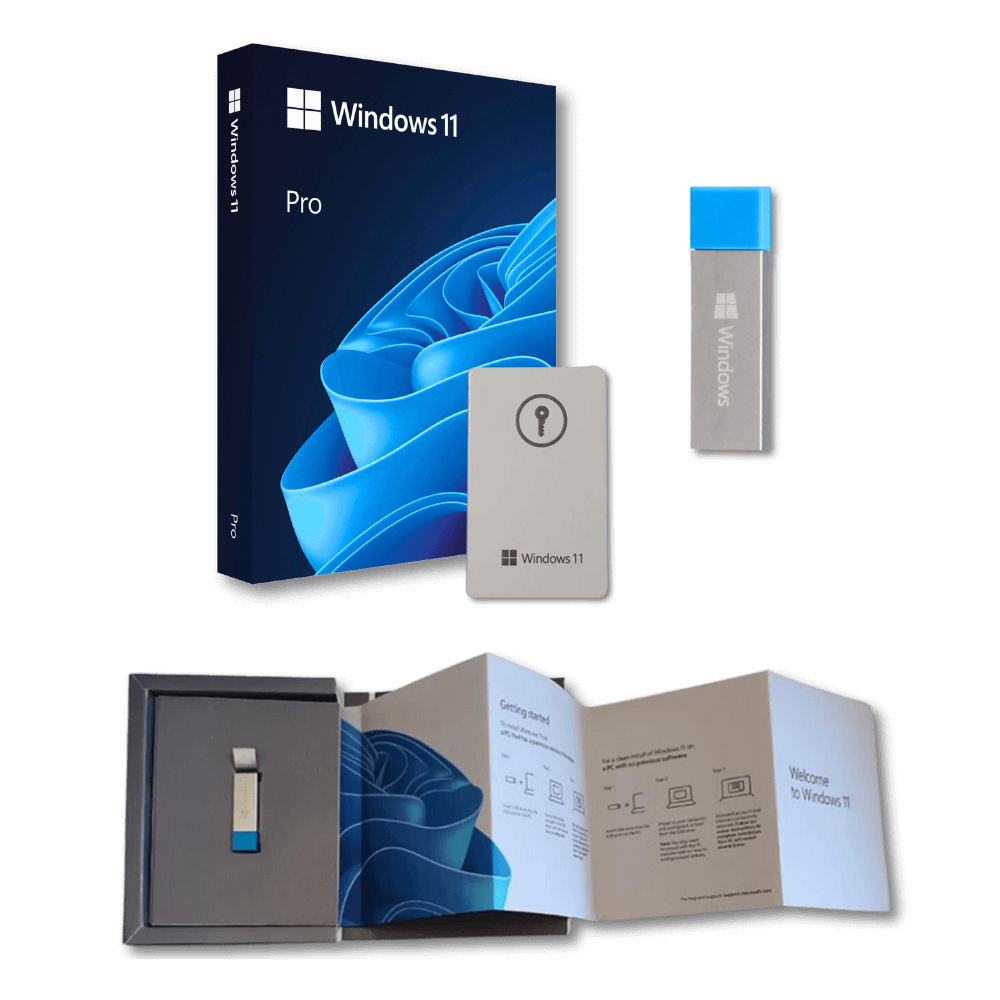
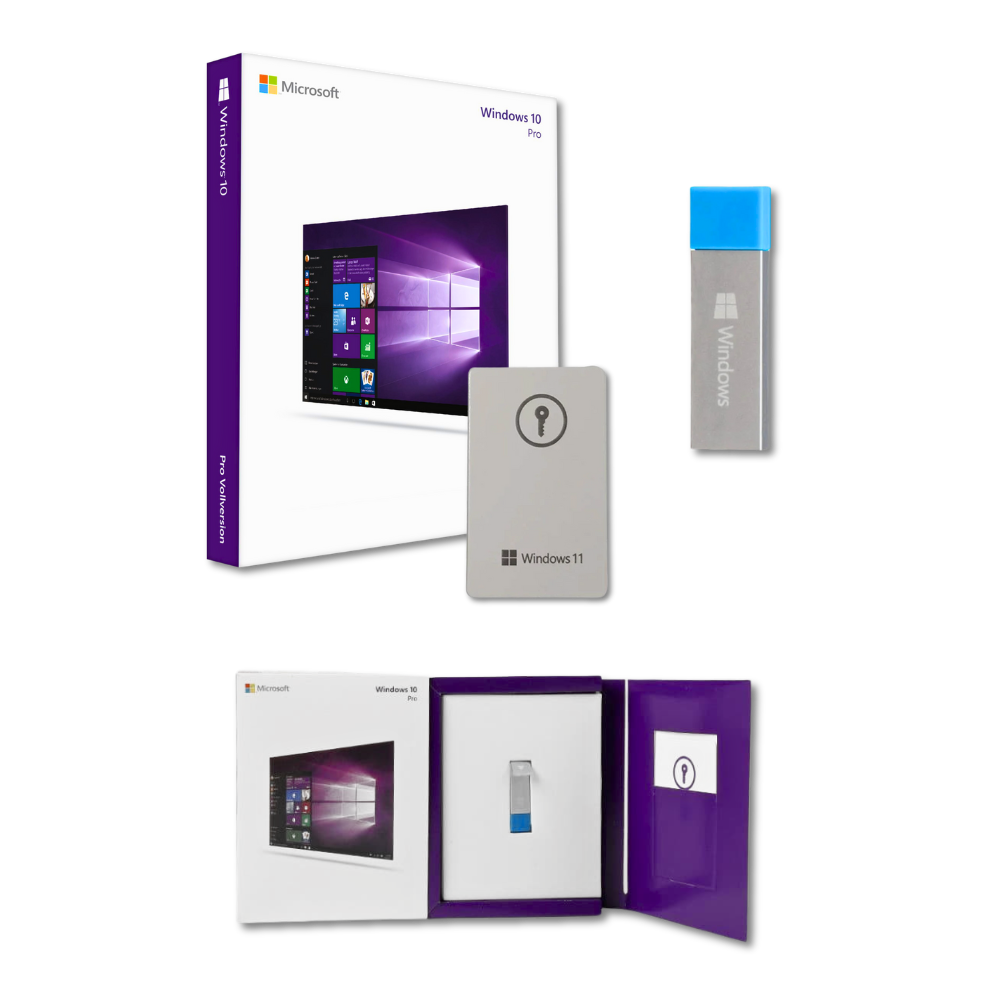
For buyers who want a genuine key at a discount with instant delivery, operacinesistema.lt sells Windows 11 Pro and Windows 10 Pro licenses in digital-key and USB formats with secure Stripe checkout, automatic email delivery, and a money-back guarantee. If your goal is “fast and safe,” that beats gambling on a random script.
CMD commands you can trust (and what each one is for)
CMD gets a bad reputation because it’s often used in shady tutorials. The built-in tools themselves are fine. These are the legitimate commands that consistently help.
slmgr /xpr tells you whether activation is permanent.
slmgr /dli gives a quick view of license type and partial key.
slmgr /dlv gives detailed licensing and KMS info.
slmgr /ipk installs a product key you already own.
slmgr /ato attempts online activation.
wmic path softwarelicensingservice get OA3xOriginalProductKey reads an embedded OEM key if your PC has one.
SFC /scannow und DISM /Online /Cleanup-Image /RestoreHealth help fix system corruption that can interfere with activation.
If a tutorial goes beyond those basics into downloading “activators,” editing system licensing files, or pointing your PC at unknown activation servers, you’ve left the legitimate path.
A quick note for small businesses and IT admins
If you manage multiple Windows 11 devices, CMD is useful because it’s consistent and scriptable, but the licensing strategy still matters more than the command.
If your environment is supposed to use KMS, verify that devices can reach the KMS host and that DNS is configured correctly. If it’s a small office without KMS, avoid images that accidentally install volume KMS client keys – they create recurring activation failures and support tickets.
Also, keep an eye on edition drift. One laptop gets installed as Home, another as Pro, and suddenly your “one process” stops working. A 30-second DISM check before deployment prevents hours of cleanup later.
The bottom line on “windows 11 activation cmd free”
CMD is a real tool for real activation tasks: checking status, installing a key, retrying activation, and diagnosing why Windows won’t validate a license you already have. That’s the honest value.
If you’re searching for a free way to activate without a license, CMD isn’t the shortcut people hope it is – and the “solutions” that claim otherwise usually come with the exact risks you’re trying to avoid.
A good rule that saves time: use CMD to prove what Windows believes, then fix the mismatch (edition, channel, hardware change, network). When you do it that way, activation becomes a straightforward admin task, not a guessing game.