Top 10 Windows 11 for Students Free Solutions in 2026
Finding ways to access Windows 11 without spending money can feel like searching for a secret pathway that only a few know. Students often look for reliable and safe methods that do not stretch their budget or compromise their privacy. With every new option comes the promise of a smoother experience, but not all solutions deliver what they claim. Some make the process simple while others present unexpected challenges. The search for free and legal choices brings out clever tools and unique strategies that are changing how students use their devices. Curiosity grows as fresh alternatives keep appearing, creating more options than ever for learning and productivity.
Table of Contents
- Operacinės Sistemos
- Windows 11
- Apple
- Ubuntu
- Fedora Linux
- Linux Mint
- Debian
- Zorin OS
- Elementary OS
- Google Search Engine
Operacinės sistemos
At a Glance
Operacinės sistemos is the leading source for genuine Microsoft Windows licenses aimed at students and professionals who value legality and reliability. This store pairs official Windows keys with fast delivery and clear customer support so you get a working system without guesswork.
Core Features
Operacinės sistemos sells Original Microsoft Windows products with options for digital and physical products including USB media. The shop offers activation keys with a warranty, choices of Windows 10 Pro and Windows 11 Pro, plus secure checkout and quick email delivery.
Pros
- Official license guarantee: Every purchase comes with an authentic activation key backed by warranty which protects you from invalid product concerns.
- Wide product selection: You can choose between digital keys and a physical USB version depending on your install preference and convenience.
- Fast and reliable delivery: Digital keys arrive by email almost instantly so you can activate and start working the same day.
- Secure payment process: The store emphasizes safe transactions which matters when buying software online for campus or home use.
- Responsive customer support: The vendor provides accessible support and refund options for unopened products to reduce purchase risk.
Who It’s For
This option suits students who need an authentic Windows environment for coursework, labs, or virtualization. It also serves IT students, freelance technicians, and small business owners who require licensed Windows 10 Pro or Windows 11 Pro for development and testing.
Unique Value Proposition
Operacinės sistemos stands apart because it focuses on authenticity, speed, and straightforward service tailored to buyers who value legitimate software. The combination of guaranteed activation keys, immediate digital delivery, and a USB option for clean installs creates a one stop solution students trust for reliable setups.
Real World Use Case
A computer science student buys a Windows 11 Pro digital key to activate their personal laptop before a semester of development and virtualization. They receive the key by email, activate Windows within minutes, and start installing IDEs and coursework without licensing gaps.
Pricing
Prices vary by product. For reference a Windows 11 Pro digital key is listed at 8.49 EUR while the physical USB version is 59.99 EUR. These clear price points let you choose the lowest cost digital route or a full USB installation kit.
Website: https://operacinesistema.lt
Windows 11
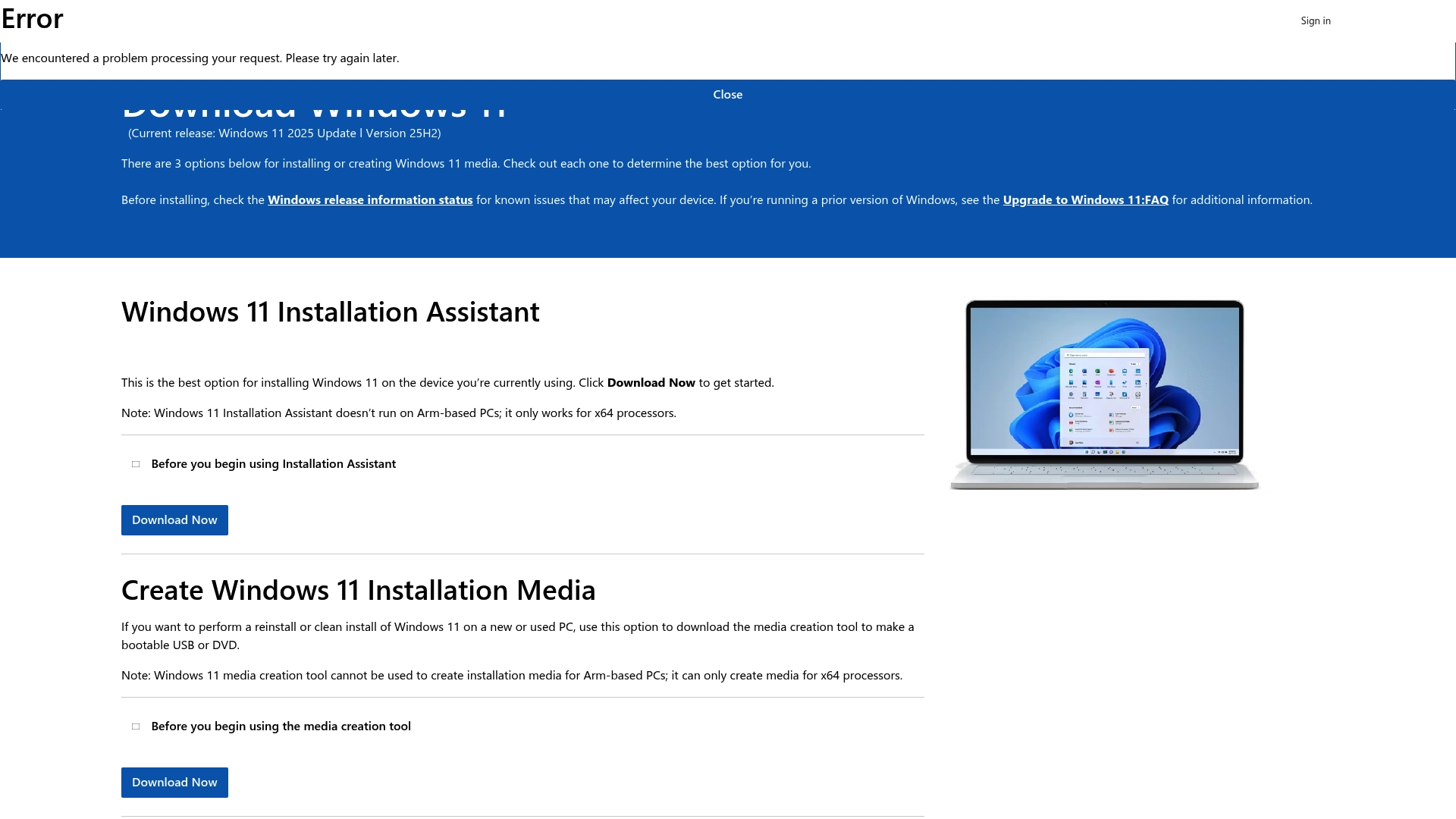
At a Glance
Windows 11 brings a modern look and workflow upgrades while keeping a focus on security and gaming performance. For students with compatible hardware, it provides clearer multitasking and a refreshed interface that feels current and productive.
Core Features
Windows 11 introduces a New Start menu and taskbar design and Snap Layouts and Groups to simplify multitasking and window management. The release emphasizes improved performance and security and adds enhanced gaming features such as Auto HDR and DirectStorage. Some editions support running Android apps via the Amazon Appstore.
Pros
Modern and refreshed user interface: The redesigned Start menu and centered taskbar create a cleaner desktop that helps you focus on study tasks.
Improved multitasking features: Snap Layouts and Groups make arranging multiple study windows and research tabs faster and more predictable.
Optimized for new hardware and technologies: The OS takes advantage of newer CPUs and storage to deliver smoother boot and app load times.
Better performance and security: Built in security enhancements reduce exposure to common threats while performance updates feel noticeable on supported machines.
Enhanced gaming experience: Auto HDR and DirectStorage improve visual quality and reduce load times for leisure and educational simulations.
Cons
Stricter system requirements may exclude older PCs: Many older laptops used by students will not meet the hardware checks required for a clean install.
Certain features require newer hardware: Features like DirectStorage and some security functions only work on devices with specific components.
Upgrade process can be complex for some users: Students who are not comfortable with installation tools or BIOS settings may find the upgrade steps confusing.
Who It’s For
Windows 11 is aimed at consumers and businesses with compatible hardware who want a modern Windows experience and improved productivity features. Students who plan to use newer laptops or desktops for study, coding, or light gaming will get the most benefit.
Unique Value Proposition
Windows 11 combines a refreshed interface with targeted productivity improvements and gaming upgrades that leverage modern hardware. The mix of cleaner UI, multitasking tools, and security enhancements positions it as the natural next step for users ready to update hardware.
Real World Use Case
An enterprise scenario shows value for education IT teams: upgrading office or lab workstations to Windows 11 improves security and manageability while enabling features that support remote collaboration. Students benefit when campus machines run a unified, updated OS.
Pricing
Windows 11 is a free upgrade for compatible Windows 10 devices, and many new devices come pre installed with Windows 11. Students with eligible machines can upgrade without additional licensing costs.
Website: https://www.microsoft.com/en-us/software-download/windows11
Apple
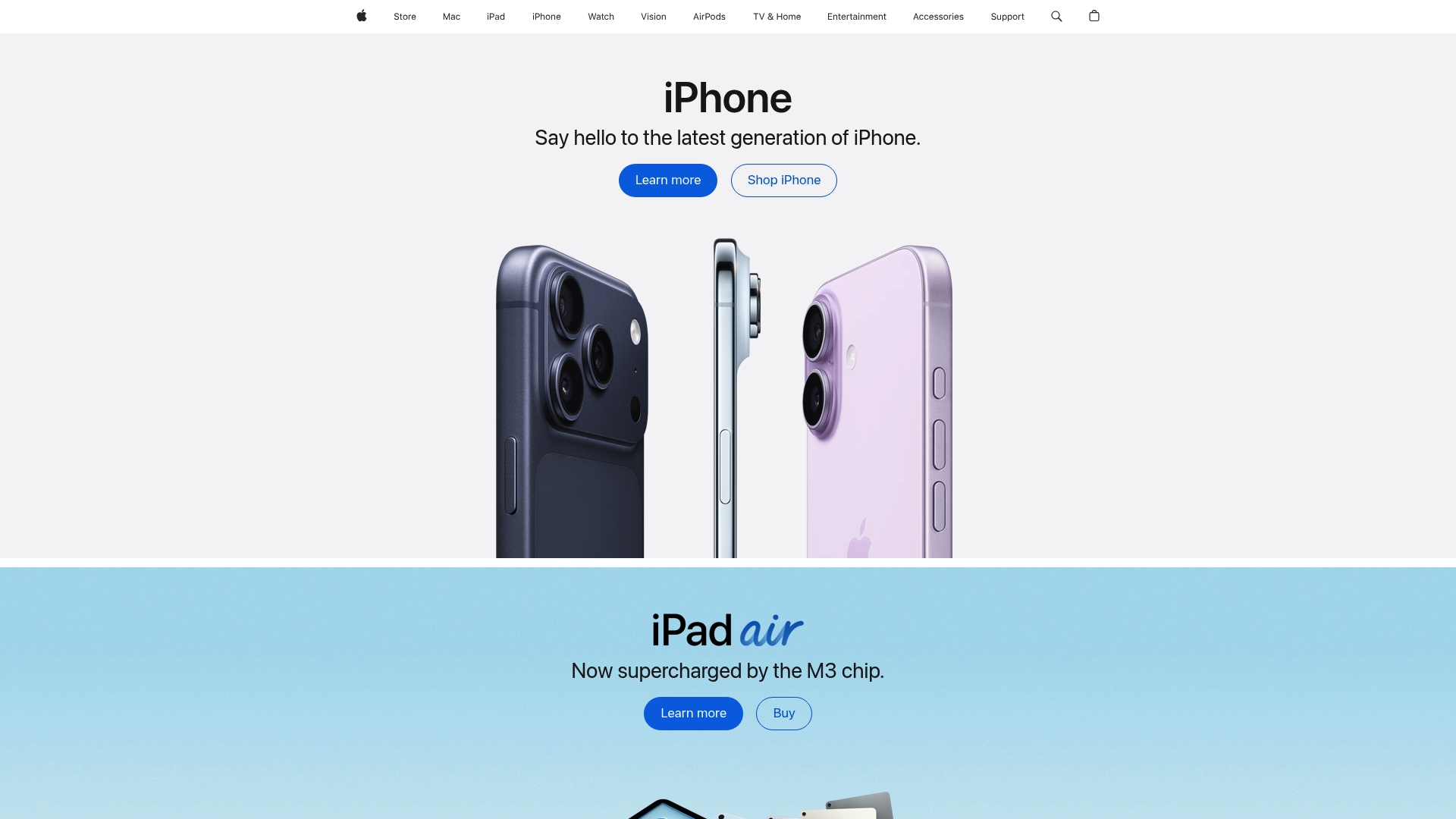
At a Glance
Apple delivers a cohesive ecosystem of premium hardware and services that prioritize design and user experience. Students get seamless device pairing and reliable support, though the premium price point limits budget flexibility for many on-campus learners.
Core Features
Apple offers a broad lineup including iPhone, iPad, Mac, Apple Watch, AirPods, and Vision Pro alongside services such as Apple Music, Apple TV+, iCloud, and Apple Arcade. Educational programs, trade-in options, and AppleCare support round out the offering.
Pros
- Wide range of innovative products: Apple provides a full device ecosystem that covers mobile, laptop, wearable, and mixed reality needs for study and research.
- Strong brand reputation: Schools and employers often recognize Apple devices, which can help when collaborating on projects or running institution-supported software.
- High-quality design and user experience: Hardware build quality and a consistent interface reduce friction when switching between devices.
- Extensive support network: AppleCare and authorized service providers offer dependable repair and support options across many regions.
Cons
- Premium pricing: Apple products sit in a higher price bracket which strains student budgets and limits the ability to buy multiple devices.
- Limited hardware customization: Students who want to upgrade specific components will find fewer options compared to more modular laptops.
- Ecosystem lock-in: Moving data and workflows out of Apple’s integrated services can require time and additional effort.
Who It’s For
Students who value polished hardware, long-term software updates, and tight device integration will gain the most from Apple. Those studying design, multimedia, or app development benefit from native tools and reliable performance across Mac and iPad.
Unique Value Proposition
Apple stands out by offering seamless cross-device continuity and a curated software ecosystem that keeps hardware and services working smoothly together. That integration reduces setup time and lets students focus on work rather than troubleshooting.
Real World Use Case
A student buys a MacBook Pro, an iPhone, and an Apple Watch to create a connected study setup. Files sync through iCloud, notifications route intelligently, and AppleCare provides fast service during critical project deadlines.
Pricing
Prices vary by product and service and are generally positioned in the premium market segment. Educational discounts and trade-in credits offset costs for many students, while financing options break payments into manageable amounts.
Website: https://apple.com
Ubuntu
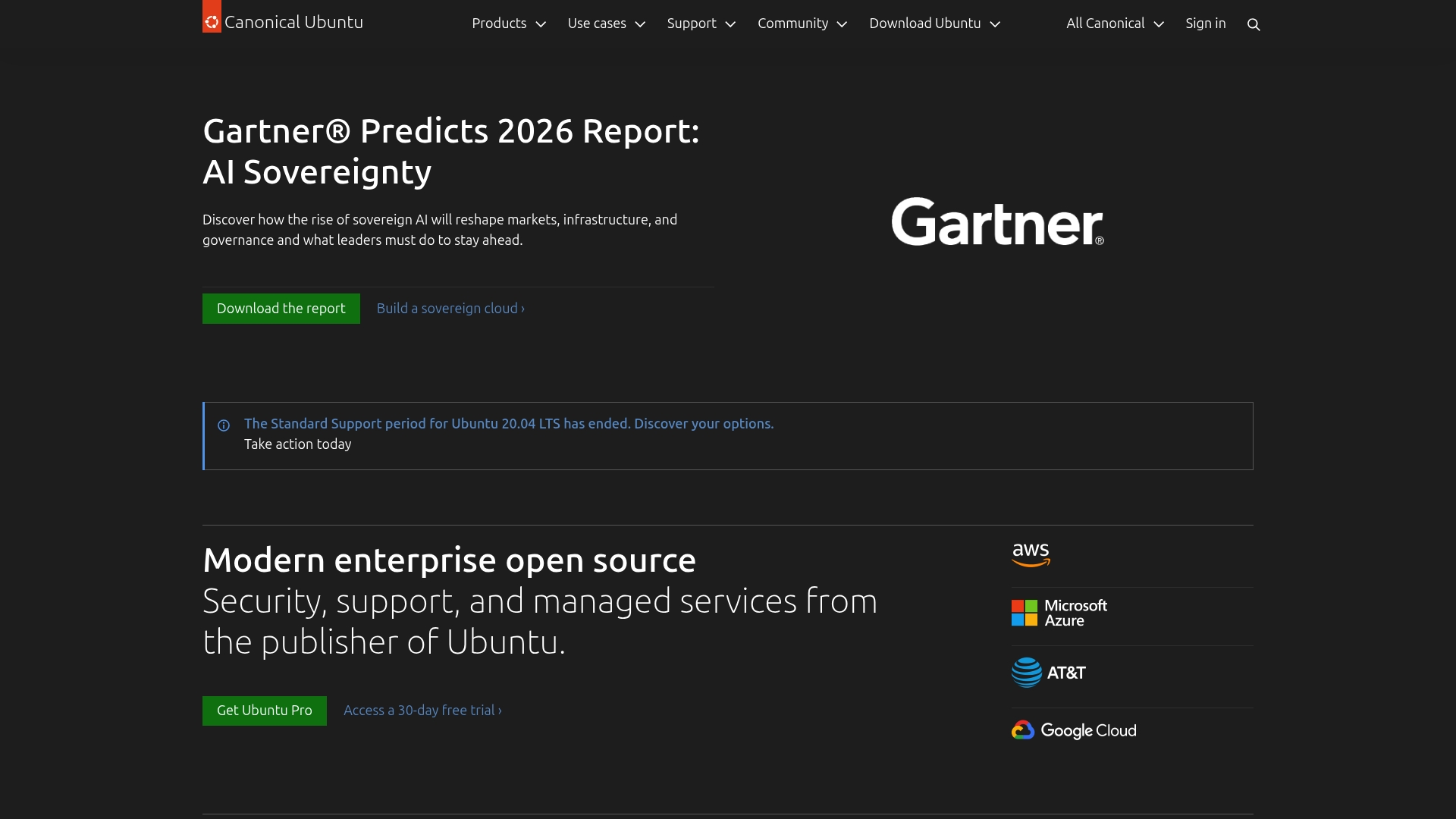
At a Glance
Ubuntu is a popular open source Linux operating system developed by Canonical for servers, desktops, and IoT devices. It focuses on stability and security while offering long term support releases and regular updates for enterprise and personal use.
Core Features
Open source software foundation gives you full access to source code and a large active community for support. Long Term Support releases provide predictable security updates while container and Kubernetes support plus tools like MicroK8s and Multipass enable cloud based and VM workflows. Ubuntu Pro adds extended security and management features for enterprises.
Pros
Widely Supported Distribution: Ubuntu is one of the most popular Linux distributions so community resources and documentation are abundant and easy to find.
Long Term Security Updates: Long term support releases deliver security updates and maintenance that reduce upgrade pressure for campus labs and production servers.
Strong Enterprise Cloud Support: Ubuntu provides first class support for cloud and server deployment which suits course projects and department infrastructure.
Open Source with Corporate Backing: The combination of community development and Canonical backing gives balanced innovation and commercial support options.
Predictable Release Cycle: Regular releases let you plan upgrades and testing windows around academic semesters or deployment schedules.
Cons
Requires Linux Knowledge: Advanced configuration and system tuning require some familiarity with Linux command line and system administration.
Proprietary Hardware Compatibility Issues: Compatibility with certain proprietary devices or software can require workarounds or additional drivers which add setup time.
Desktop Usability Preferences: Some users prefer a different desktop environment because default workflows may feel less familiar than other operating systems.
Who It’s For
Developers, system administrators, and enterprise IT professionals will get the most from Ubuntu when they need a stable, secure, and customizable operating system. Students who study software engineering, cloud computing, or systems administration will find Ubuntu especially relevant.
Unique Value Proposition
Ubuntu combines a widely adopted open source ecosystem with enterprise grade options from Canonical. That mix makes it suitable for everything from student development machines to production cloud infrastructure while offering optional paid support for mission critical needs.
Real World Use Case
A global technology company deploys Ubuntu across its cloud infrastructure to run Kubernetes clusters, OpenStack services, and container workloads. The company uses Ubuntu to standardize images, secure instances, and simplify management of data and application services.
Pricing
Ubuntu is free and open source for personal and academic use. Canonical provides paid support services and Ubuntu Pro subscriptions for enterprise grade security, compliance, and management features.
Website: https://ubuntu.com
Fedora Linux
At a Glance
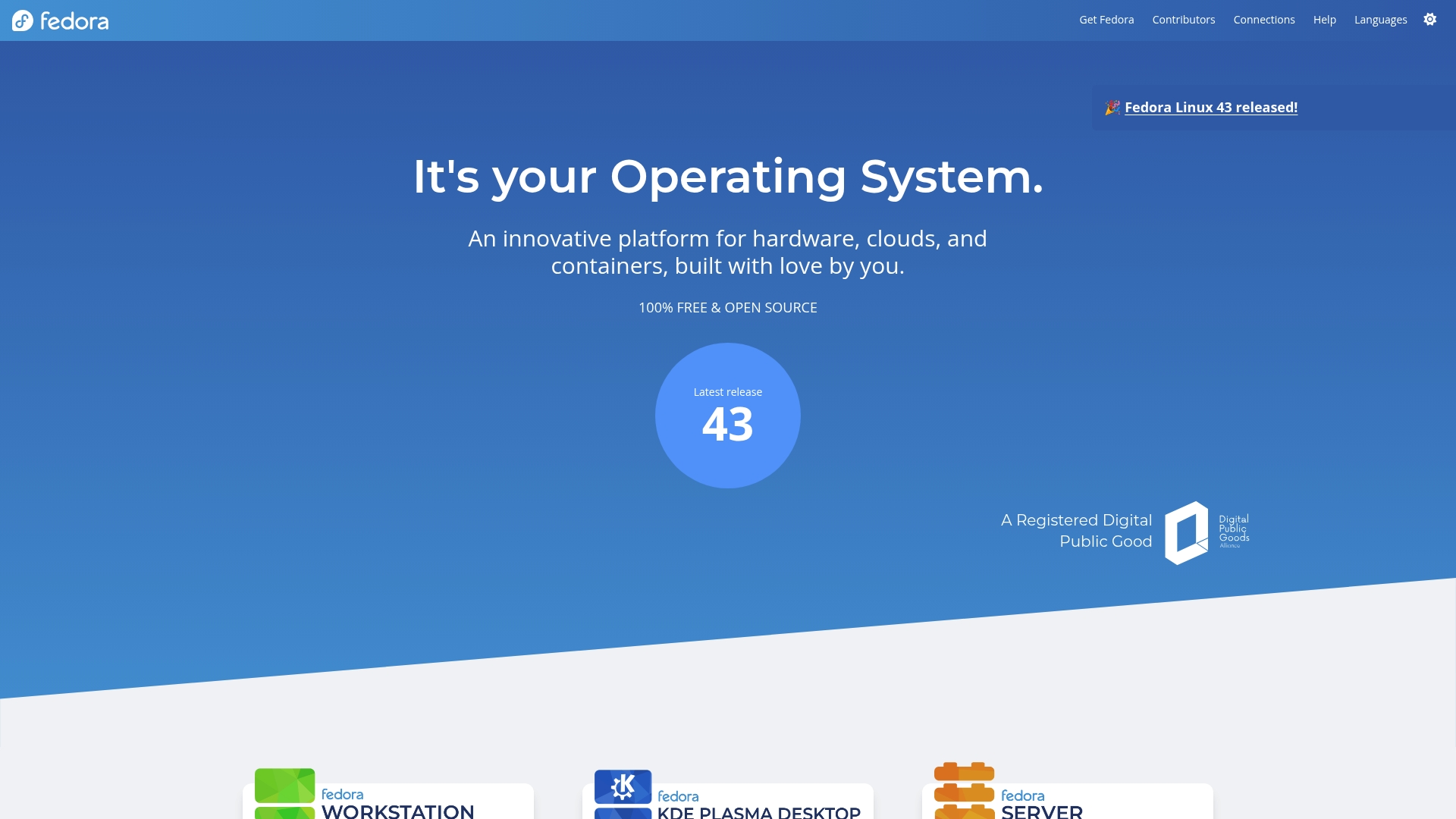
Fedora Linux is a community driven, free operating system that delivers the latest open source technology and frequent updates for desktop and server use. It balances innovation with practical tooling, making it a strong option for students who want to learn modern Linux workflows.
Core Features
Fedora offers multiple editions including Workstation, Server, IoT, Cloud, and CoreOS, so you can pick an environment that matches coursework or projects. It also provides atomic desktops like Silverblue and Kinoite that focus on reliability and rollback safety.
Fedora ships various desktop environment spins such as Xfce, Cinnamon, MATE, and KDE and includes specialized labs for astronomy, design, gaming, audio production, scientific research, and security. Extensive documentation and community channels support troubleshooting and contribution.
Pros
Free and modifiable: Fedora is free to use and adapt which reduces software costs for students and allows hands on customization.
Fast access to new tools: Regular release cycles deliver the newest open source libraries and development tools for up to date learning.
Strong community support: Forums, documentation, and contributor guides make it easier to solve problems and learn from other users.
Wide edition variety: Multiple editions and spins let you match a system to software development, server work, IoT projects, or multimedia tasks.
Secure atomic desktops: Silverblue and Kinoite provide improved reliability and simplified system updates for safer experimentation.
Cons
Steeper learning curve: New users unfamiliar with Linux may face configuration challenges that distract from coursework.
Stability trade offs: Some experimental features and newest packages can be less stable than conservative distributions, which can disrupt critical assignments.
Frequent maintenance: Regular updates require attention and occasional intervention to keep the system current and secure.
Who It’s For
Fedora fits students who want a cutting edge, community supported Linux distribution and who plan to customize or contribute to open source projects. It is especially useful for computer science, engineering, and research students who need modern development stacks.
Unique Value Proposition
Fedora stands out by offering a broad selection of official editions and specialty labs while remaining free. Its combination of rapid access to new technologies and structured community resources makes it a practical learning platform for students who want hands on experience.
Real World Use Case
A developer student installs Fedora Workstation with GNOME to build and test open source applications and libraries. They use the latest toolchains and community documentation to prototype projects and roll back updates if an experiment breaks.
Pricing
Fedora is free to download and use, which lowers barriers for budget conscious students and classroom deployments.
Website: https://getfedora.org
Linux Mint
At a Glance
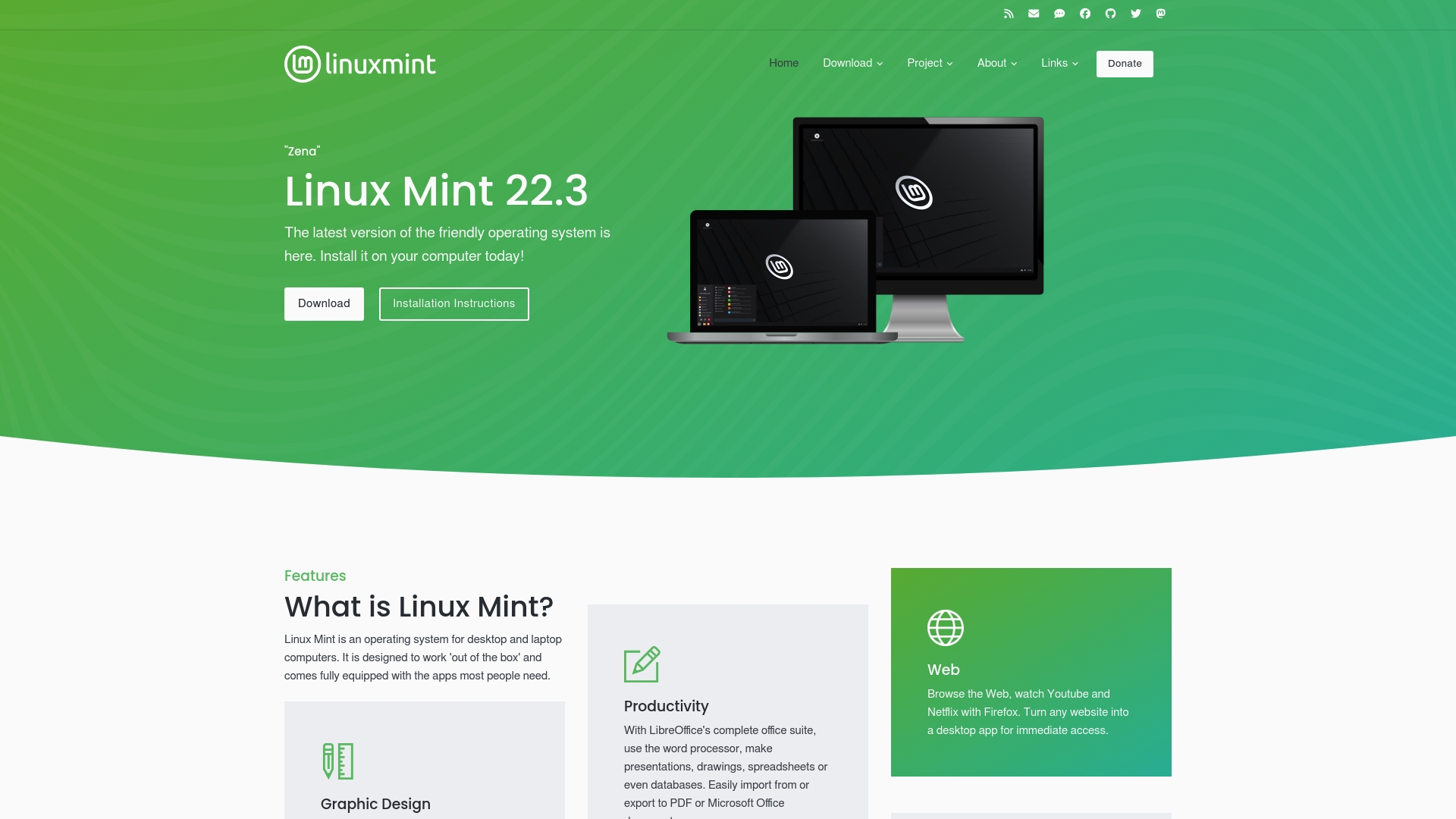
Linux Mint is a desktop operating system built for comfort and familiarity, especially for users moving from Windows. It delivers a stable, fast experience with accessible tools and a low learning curve for everyday college tasks and study workflows.
Core Features
Linux Mint provides a user-friendly interface and a suite of ready-to-use applications covering productivity, multimedia, web browsing, and gaming support. It also offers system snapshots and robust update management, broad hardware compatibility, and open-source components that are free of charge.
Pros
- Ease of use for beginners: The desktop environment is intuitive, making it simple to perform common tasks without steep setup or training.
- Stable and reliable performance: Regular updates and a conservative approach to system changes reduce crashes and unexpected interruptions.
- Fast and responsive operation: Boot and app load times stay brisk on typical student laptops, which improves daily productivity and multitasking.
- Wide community support: Active forums and documentation make it easier to find fixes and tips from experienced users.
- Customizable to preferences: You can tweak the desktop layout and behavior to match your workflow and visual style.
Cons
- Some proprietary software is not supported natively on Linux Mint, which forces students to find alternative apps or workarounds for certain class requirements.
- Installing specific third party programs may require alternative methods like Flatpak or compiling from source, which is more technical than standard installers.
- Troubleshooting often depends on community help rather than official vendor support, which can slow resolution when timing matters.
Who It’s For
This distribution fits beginners and casual users who want a stable, easy to use desktop, with a particular advantage for students transitioning from Windows. It suits people who prioritize cost savings and control over their computing environment.
Unique Value Proposition
Linux Mint stands out by blending a familiar desktop layout with out-of-the-box hardware compatibility and ready-made applications, which reduces setup time for students. The combination of stability, speed, and zero licensing cost makes it practical for budget conscious classrooms.
Real World Use Case
A small business or campus lab can deploy Linux Mint on multiple machines to cut licensing expenses while keeping maintenance light. Employees and students gain reliable machines that require less intervention and provide consistent behavior across systems.
Pricing
Linux Mint is free of charge, so students can install and use it without licensing expenses or subscription fees.
Website: https://linuxmint.com
Debian
At a Glance
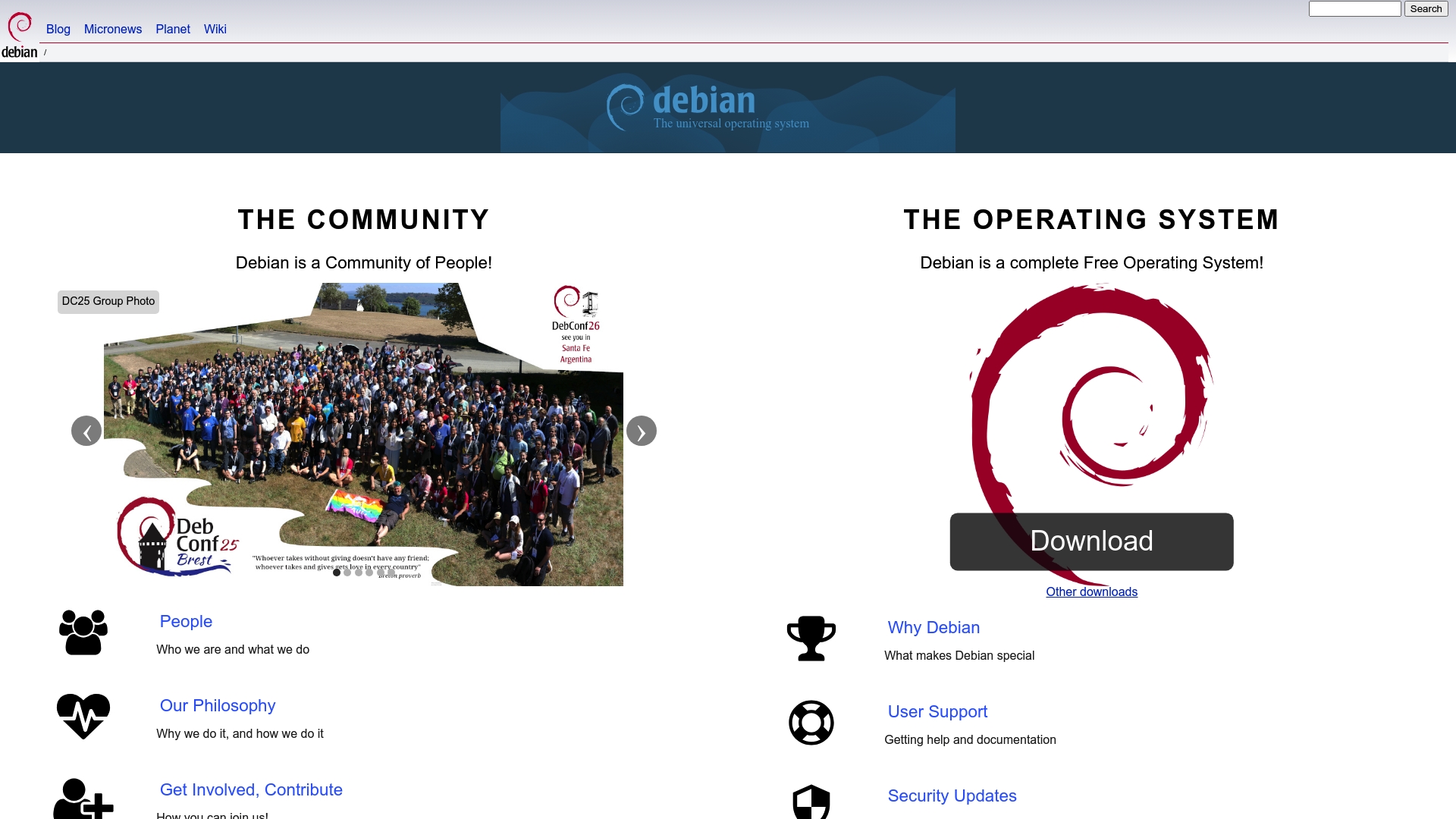
Debian is a free operating system built and maintained by a global volunteer community, offering strong stability and security for day to day use. It is well suited for students who need a reliable platform for study, coding, and server tasks.
Core Features
Debian centers on community-driven development and a commitment to free software, which produces a large, well vetted package archive. It delivers stable releases, extensive customization, and broad hardware support that together make it adaptable for desktops, servers, and development environments.
Pros
- Free to use and distribute. Students can install Debian on multiple machines without license costs or restrictions.
- Large community support. Active forums, mailing lists, and documentation help you solve problems and learn quickly.
- Stable releases. Releases prioritize reliability so updates do not interrupt coursework or long running projects.
- Extensive software repositories. Thousands of packages are available, covering productivity, programming, and research tools.
- Strong focus on security and privacy. Regular security updates and conservative defaults protect data and campus systems.
Cons
- User interface and experience may feel less polished compared to commercial distributions, which can make the desktop experience less intuitive for new students.
- Initial setup might be complex for beginners because some configuration steps require command line knowledge and manual package selection.
- Release cycle is slower which may delay access to the very latest software versions that some courses or tools require.
Who It’s For
Debian is ideal for students who value stability, transparency, and control over their system. It fits developers, system administrators, and tech focused students who want a consistent environment for coding, research, and server labs.
Unique Value Proposition
Debian combines a noncommercial, democratic development model with a massive, curated package archive, giving you a trustworthy platform that minimizes surprises during exams, deployments, or long development cycles. You get long term reliability without licensing fees.
Real World Use Case
A university IT department can deploy Debian on campus servers to provide stable services for learning management systems and research computing. Individual students can run Debian on laptops for programming assignments, container testing, and reproducible research.
Pricing
Debian is Free to download, install, and redistribute, which eliminates software costs for students and campus IT budgets.
Website: https://debian.org
Zorin OS
At a Glance
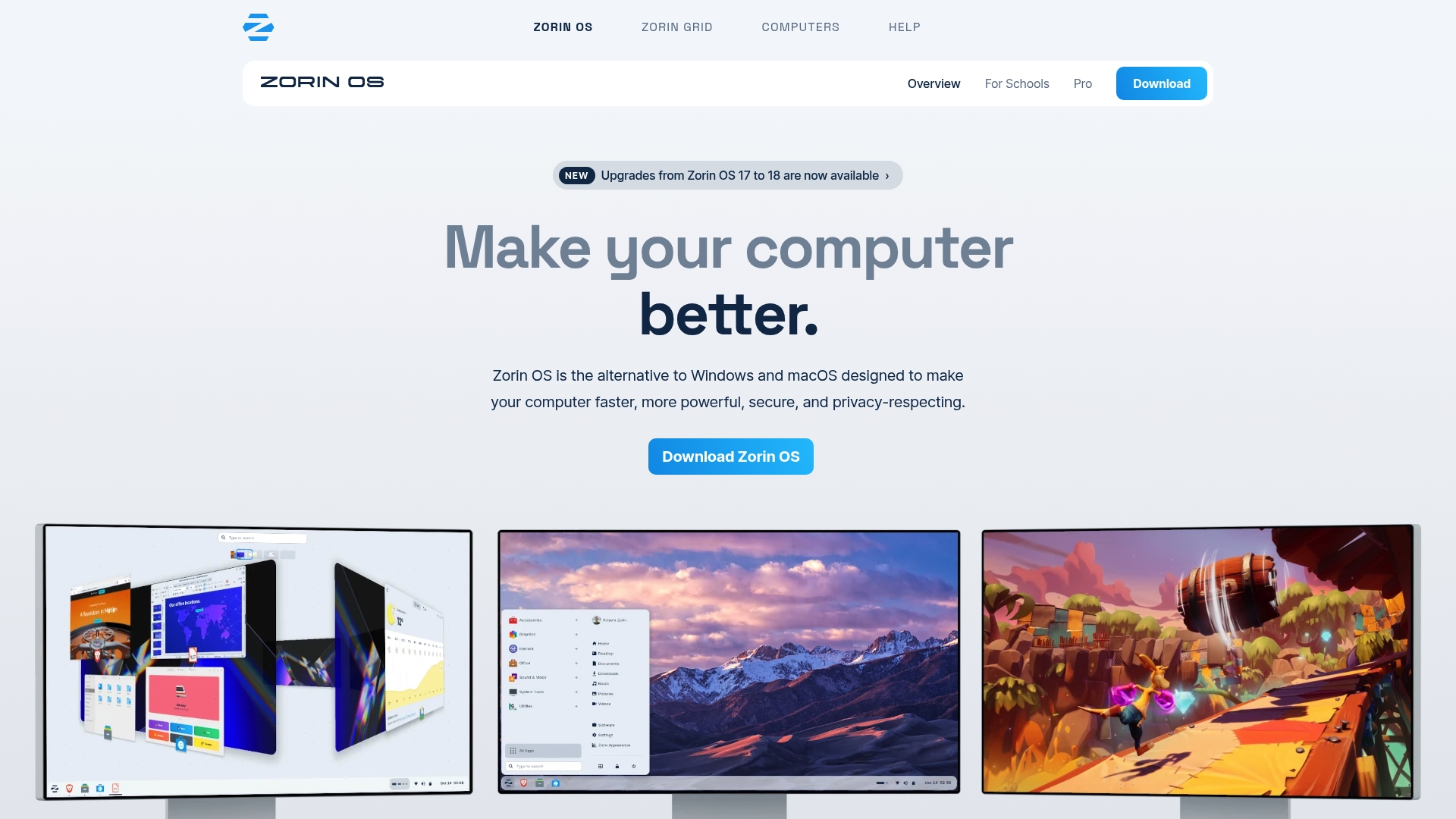
Zorin OS is an open-source operating system built as a friendly alternative to Windows and macOS, aimed at speed, security, and privacy. It offers a familiar interface for users switching away from proprietary systems.
- Bottom line: Zorin OS is a practical, low-cost option for students and home users seeking a Windows-like experience without licensing fees.
Core Features
Zorin OS centers on a user-friendly interface and performance improvements while respecting privacy and security, and it is based on Ubuntu. The design targets faster boot times, simplified settings, and broad hardware support.
- Alternative to Windows and macOS
- Designed to be faster and more secure
- Privacy-respecting approach
- User-friendly interface with customization
- Based on Linux, specifically Ubuntu
Pros
- Familiar for Windows and macOS users: The interface reduces friction for students who need a short transition period.
- Enhanced security and privacy: Built-in features and Linux foundations provide stronger resistance to common threats.
- Customizable interface: You can tailor the desktop to match familiar layouts and workflows.
- Wide hardware and software compatibility: Support for many devices helps when installing on older laptops or varied campus machines.
- Regular updates and support: Ongoing releases and community resources help keep systems current and stable.
Cons
- Compatibility issues with some proprietary apps: Certain Windows or Mac programs may not run natively or require workarounds.
- Learning curve for Linux newcomers: Users unfamiliar with Linux concepts will need time to learn package management and system tools.
- Limited proprietary software support: Some specialized or commercial applications commonly used in classes may lack native Linux versions.
Who It’s For
Students and home users who want a Windows or macOS alternative with improved privacy and no licensing costs will benefit most from Zorin OS. It suits people willing to learn a few Linux basics while keeping a familiar desktop.
- Ideal profiles: home users, students, small organizations, and IT labs managing multiple devices.
Unique Value Proposition
Zorin OS uniquely combines a Windows-like user experience with Linux security and privacy, offering a smooth transition for students who need stable performance without ongoing license fees. Customization and Ubuntu compatibility make it flexible for varied needs.
- Distinct advantage: lowers migration friction while preserving open-source benefits.
Real World Use Case
A small business or college lab can migrate employees or students to Zorin OS to cut licensing costs, tighten security, and run common productivity tasks reliably on older hardware. The result is lower total cost of ownership and simplified maintenance.
- Example outcome: faster machines and fewer license renewals for budgets under pressure.
Pricing
Zorin OS offers a free version suitable for most student and home needs, with paid versions that include additional features and support. Specific paid plan details are available on the official site.
- Free tier: available for general use
- Paid tiers: additional features and support (see website for details)
Website: https://zorin.com/os/
elementary OS
At a Glance
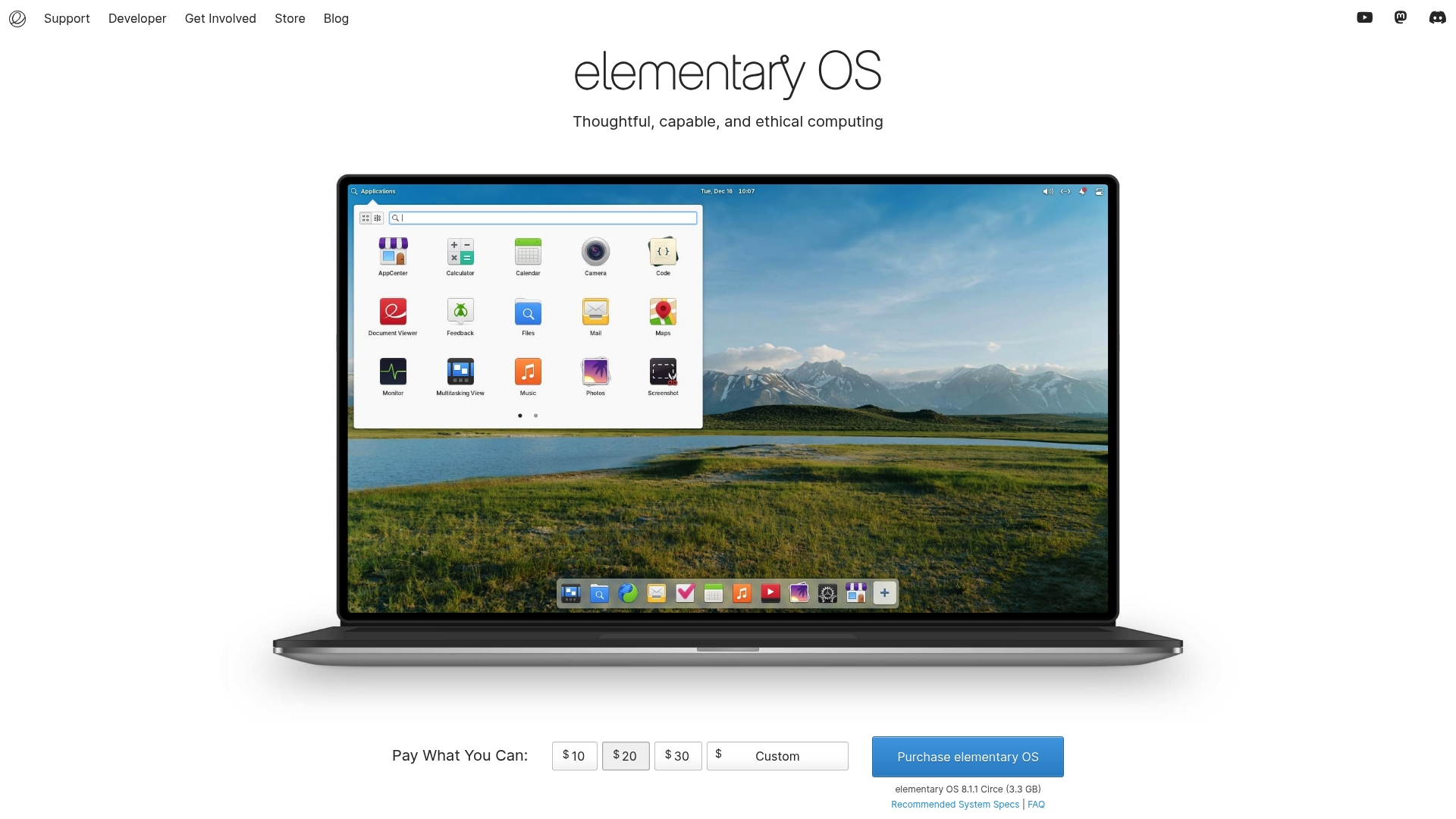
elementary OS is a privacy focused, visually polished Linux alternative built for simplicity and low maintenance. It provides a clean desktop experience that stays out of your way while offering thoughtful defaults for students who want a distraction free workspace.
Core Features
elementary OS centers on a custom desktop called Pantheon and a curated app ecosystem called AppCenter. It offers Pay What You Can download pricing, preinstalled apps for common tasks, and privacy minded controls with automatic housekeeping of temporary and trashed files.
Pros
User friendly and attractive interface: The desktop prioritizes clarity and consistency which shortens the time you spend adjusting settings and lets you focus on assignments.
Open and transparent source code: The project publishes its code so you can inspect changes or contribute which appeals to students learning about software development.
Privacy focused design: Built in permissions and activity indicators limit unnecessary data access which helps protect personal and academic information.
Curated AppCenter supporting indie developers: The store reviews apps before listing them which reduces the risk of low quality software and rewards small developers.
Regular updates and improvements: The project issues updates that refine the interface and add features which keeps the system current without heavy maintenance.
Cons
Limited app availability compared to mainstream operating systems means you may not find specialized proprietary software used in some courses.
A learning curve exists for users unfamiliar with Linux environments which can require extra time to configure hardware and adapt workflows.
The project relies heavily on community support and volunteer contributions which can lead to slower resolution for niche issues.
Who It’s For
elementary OS suits students who value privacy and aesthetics and who want a stable, low maintenance environment for writing, research, and light coding. It also fits learners who want to explore open source software without being overwhelmed by advanced configuration.
Unique Value Proposition
elementary OS delivers a refined desktop experience that balances ease of use with open source principles. Its curated app approach and donation based pricing model create a straightforward way to use secure software while supporting independent developers.
Real World Use Case
A small college study group can install elementary OS on student laptops to standardize a simple, secure workstation for note taking, browser based research, and coding labs. The system keeps files organized and reduces interruptions from background tasks.
Pricing
elementary OS uses a Pay What You Can model for downloads with donation based pricing that lets students choose their contribution level when obtaining the installer.
Website: https://elementary.io
Google Search Engine
At a Glance
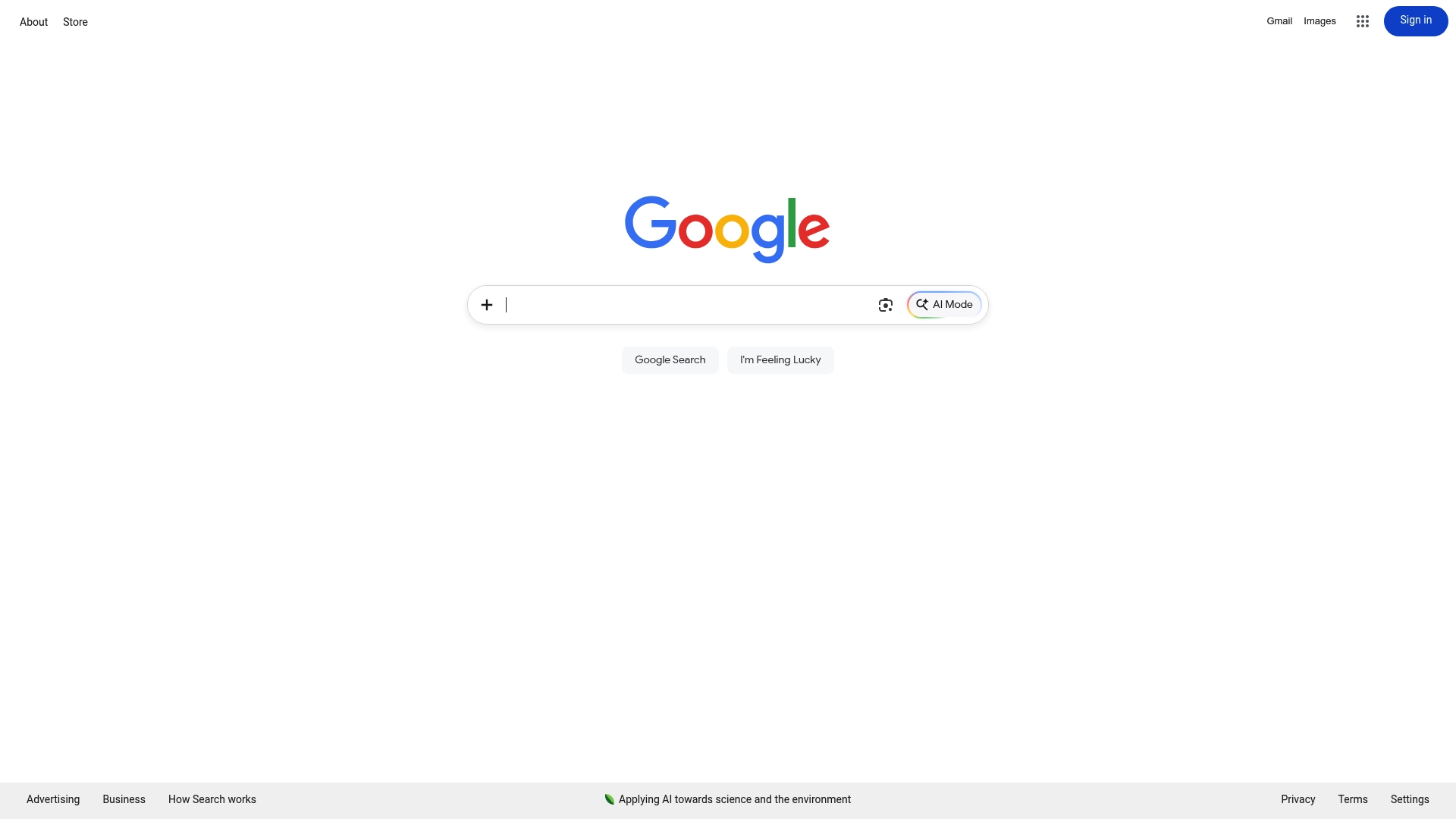
Google Search is a fast, familiar way to find websites, images, news, and more across the internet. Its clean interface and deep index make research quick for students who need reliable results without a learning curve.
Core Features
The platform centers on Web search and Image search, with integrated services such as Gmail and a product store visible in the search interface. It also includes playful AI modes for interactive suggestions and feedback that help exploration and idea generation.
Pros
- Extensive search database and reliable results: Google returns broad and relevant results that reduce the time you spend hunting for sources.
- Integration with Google Ecosystem: Connecting search with Gmail and other tools streamlines workflows when you switch between research and communication.
- User-friendly interface: The layout is simple so you can focus on results rather than learning navigation.
- AI-powered engagement features: Modes like I’m Feeling Curious add discovery options that can spark new research angles.
- Customizable search settings: You can refine results with filters and safe search options to match academic needs.
Cons
- Privacy concerns due to data collection: The service collects user data that influences personalization and ad targeting, which some students find invasive.
- Dependence on internet connectivity: Without a stable connection, search access and linked services like Gmail are unavailable.
- Can display personalized ads based on user data: Ads appear in results and may clutter the experience for users seeking distraction free study time.
Who Its For
Students who need a fast, all-purpose search tool and routine access to email and images will benefit most from Google Search. It suits undergraduates, graduate students, and researchers looking for quick entry points to academic and general resources.
Unique Value Proposition
Google combines a massive index with seamless ecosystem links, so search results tie directly to email, images, and product information in one place. That unified access speeds up tasks like source gathering, citation discovery, and sharing findings with classmates.
Real World Use Case
A student compiling a research paper uses Google Scholar links found through standard search, captures images via image search for presentation slides, and sends drafts through Gmail. The process keeps research, visuals, and communication within one workflow.
Pricing
Google Search is free to use and supported by an advertising based model that funds features and services. No subscription is required for basic search or linked tools like Gmail.
Website: https://google.com
Operating Systems Comparison
This table provides a comprehensive comparison of various operating systems discussed, detailing their features, pros, cons, and pricing for better decision-making.
| Operating System | Key Features | Advantages | Disadvantages | Pricing |
|---|---|---|---|---|
| Operacinės sistemos | Seller for genuine Microsoft Windows licenses, digital and physical formats | Reliable licenses, instant delivery, secure payment | Limited to Windows product offerings | Digital: €8.49, USB: €59.99 |
| Windows 11 | Modern UI, Snap layouts, Gaming enhancements | Improved interface, multitasking, security | Strict hardware requirements | Free upgrade for eligible Windows 10 users |
| Apple Ecosystem | Integrated devices (Mac, iPhone), extensive services (AppleCare, Music) | Premium design, continuous updates | High costs, locked ecosystem | Premium pricing, discounts available |
| Ubuntu | Open-source, enterprise cloud features, robust updates | Community support, stability, free use | Requires Linux skills, slow access to latest software updates | Free |
| Fedora Linux | Wide editions for varied tasks, latest open-source tech | Free, modern tools, community-driven | Stability trade-off, frequent maintenance required | Free |
| Linux Mint | Intuitive Windows-like experience, ready-to-use tools | Beginner-friendly, fast performance | Limited proprietary app support | Free |
| Debian | Free and stable, extensive software repositories | Security-focused, reliable updates | Slower release cycle | Free |
| Zorin OS | Windows-like interface with Linux benefits | Easy transition, customizable | Compatibility challenges with proprietary apps | Free version, paid tiers available |
| elementary OS | Elegant interface, privacy-focused, curated apps | User-friendly, secure | Limited app range, volunteer support dependency | Donation-based pricing |
Secure Your Genuine Windows 11 License Today for Student Success
Students looking for free Windows 11 solutions often face challenges like strict system requirements and complex upgrade processes. Ensuring that your Windows 11 environment is both legitimate and fully functional is critical for smooth multitasking, development, and secure learning workflows. Avoid risks associated with unauthorized keys or trial versions by choosing certified, original licenses designed to meet your academic and professional needs.
Operacinės sistemos offers authentic Windows 11 Pro digital keys and physical USB versions with instant email delivery and warranty support. Get peace of mind knowing your software is official and your installation free from glitches. Whether you need a quick digital activation key or a physical USB for a clean install, our platform ensures secure purchase and fast setup so you can focus on your studies without interruption.
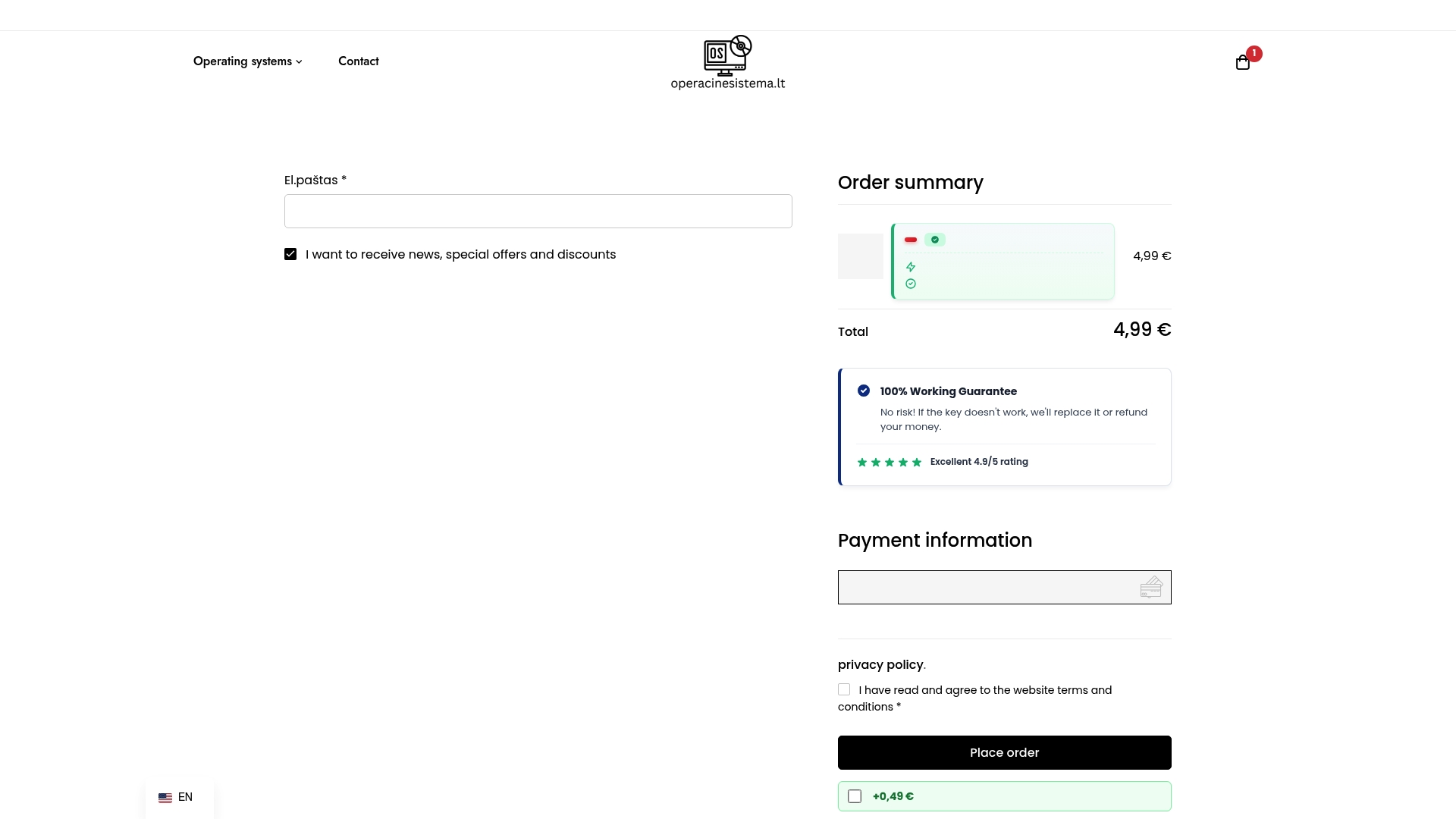
Ready to upgrade your student device with a trusted Windows 11 license? Secure your genuine Microsoft software now at Operacinės sistemos checkout. Take advantage of our reliability, affordability, and expert support to enhance your learning experience with confidence. Don’t wait until deadlines approach or technical issues arise—act now for a smooth and fully licensed Windows setup.
Frequently Asked Questions
What are the free options for using Windows 11 as a student in 2026?
You can explore free solutions such as using educational discounts, accessing free trials, or using open-source alternatives that are compatible with Windows 11. Consider trying out free software that enhances productivity and learning while being compatible with your hardware.
How can I access Windows 11’s features for free as a student?
Students can often access Windows 11 features for free through academic licenses offered by their educational institutions. Check with your school’s IT department for eligibility and instructions on obtaining a free license or activation key.
What are the benefits of using Windows 11 for my studies?
Windows 11 offers enhanced multitasking capabilities, a modern interface, and better security features that can support your academic activities. Familiarize yourself with these tools to maximize your study efficiency and use integrated features for assignments and research.
How does using free solutions for Windows 11 affect my system security?
Using free solutions for Windows 11 may pose security risks if they lack proper updates or support. Make sure to only use legitimate sources and regularly update your system to protect against vulnerabilities.
Can I run Windows 11 on older hardware for free?
Free methods to run Windows 11 on older hardware may involve using unofficial workarounds, but this could lead to system instability. Assess your hardware compatibility with Windows 11 requirements and consider upgrading components that may provide better performance within 30–60 days.